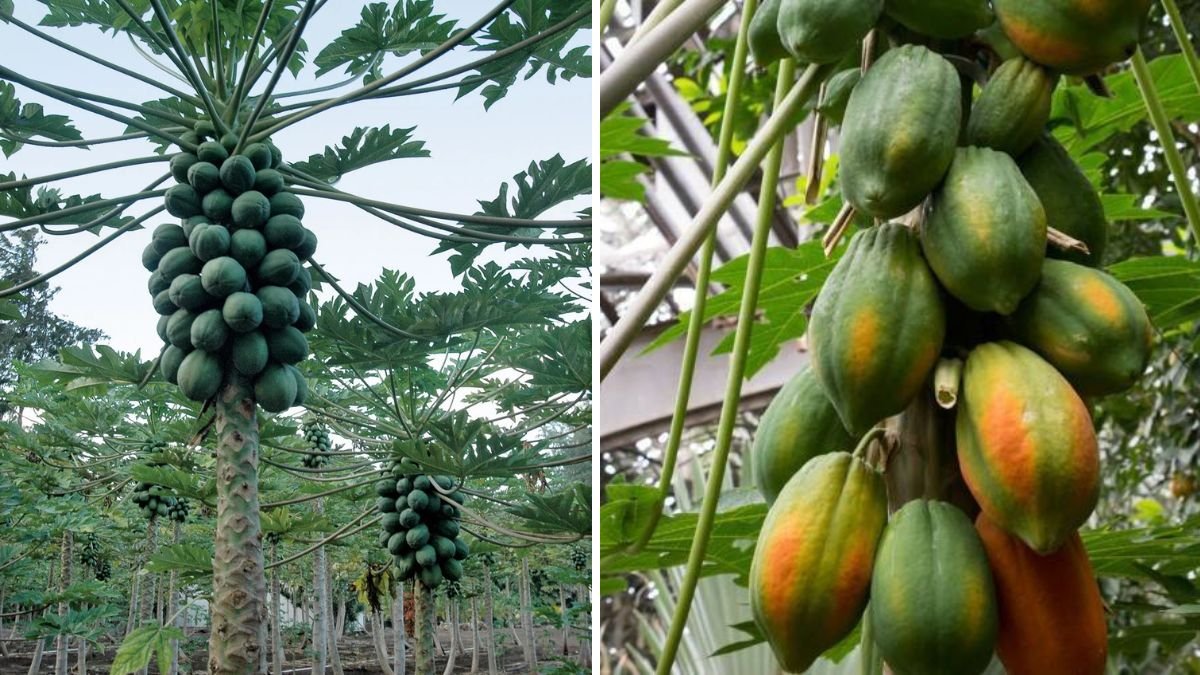
Papaya is one of the easiest and fastest-growing tropical fruits you can grow at home, but many gardeners struggle with slow growth, weak stems, low fruit production, or plants that suddenly stop thriving. Luckily, there is a simple yet extremely effective method you can use to supercharge your papaya’s growth, strengthen the plant, and encourage abundant fruiting.
This article reveals a single powerful technique—along with additional tips—that will transform your papaya plant into a vigorous, high-yielding fruit tree. Whether you grow papaya in your garden, backyard, or even in large containers, this guide will help you achieve excellent growth.
⭐ The Simple Papaya Growth-Boosting Technique: Organic Fermented Booster Water
The secret to fast-growing, highly productive papaya plants lies in one surprising thing:
Fermented Organic Booster Water (Papaya Super Tonic)
This natural liquid fertilizer is made using everyday kitchen scraps and plant materials. It works like a power tonic that immediately improves soil fertility, nourishes roots, and accelerates overall plant growth.
🍯 Why Fermented Booster Water Works Like Magic
Fermentation breaks down organic materials into powerful nutrients that plants can absorb instantly. This tonic is rich in:
- Nitrogen – promotes leafy growth
- Potassium – boosts fruit formation
- Calcium – strengthens stems
- Magnesium – improves photosynthesis
- Amino acids & beneficial microbes – supercharge plant metabolism
This combination helps papaya plants grow:
✔ Faster
✔ Healthier
✔ More productive
✔ Stronger against pests and diseases
The best part? You can make it at home with zero cost!
🍌 How to Make the Papaya Growth Booster (Step-by-Step)
Here’s the exact recipe to create the fermented plant tonic that papaya plants love:
🌿 Ingredients:
- Banana peels (3–4 pieces)
- A handful of spinach or any leafy greens
- Onion skins (optional, but great for immunity)
- 1 tablespoon jaggery or sugar
- 1 liter clean water
🧪 Preparation:
Step 1: Chop the banana peels
Smaller pieces ferment faster and release nutrients more easily.
Step 2: Crush the leafy greens
These provide natural nitrogen.
Step 3: Add everything to a bottle
Use a plastic bottle with a loose cap (to release gas).
Step 4: Add jaggery/sugar
This feeds the microbes and speeds fermentation.
Step 5: Pour water and shake well
Step 6: Ferment for 5–7 days
Keep in a shaded place. Open the cap daily to release gas.
When it smells slightly fermented (like sour fruit), your booster is ready.
🌱 How to Use It on Papaya Plants:
Dilution:
Mix 100 ml of the fermented tonic in 1 liter of water.
Application:
- Pour directly into the soil around the plant base.
- Apply every 15 days.
- For weak plants, spray diluted solution on leaves (early morning).
Within 2–3 weeks, you’ll notice:
✔ Faster new leaf development
✔ Thicker stems
✔ Darker, healthier foliage
✔ Reduction in yellowing
✔ Stronger overall plant structure
🍃 Why Papaya Responds So Well to This Booster
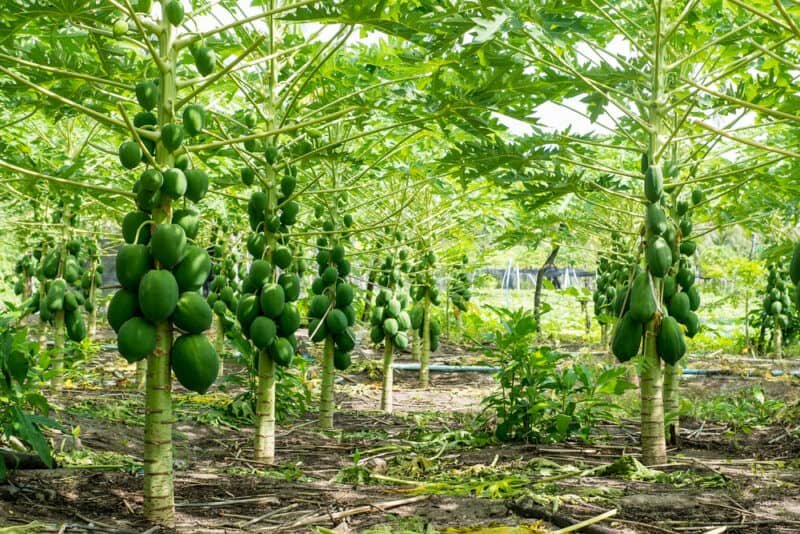
Papaya plants have shallow, fast-growing roots. They quickly absorb liquid nutrients from the soil. The fermented booster gives them exactly what they need:
- High potassium → bigger and sweeter fruits
- Nitrogen boost → rapid leaf growth
- Calcium & magnesium → prevents stem breakage
- Microbes → improves soil structure
This simple tonic solves the biggest papaya problems:
- Slow growth
- Yellow leaves
- Weak stems
- Small fruits
- Poor flowering
- Nutrient deficiency
🌱 Additional Tips to Supercharge Papaya Growth
Using the booster is powerful, but pairing it with the right growing conditions makes the results extraordinary.
☀️ 1. Give Your Papaya Full Sunlight
Papaya needs at least 6–8 hours of direct sun daily. More sun = faster growth + more fruits.
🌿 2. Use Well-Draining Soil
Papaya roots rot easily. Ideal soil mixture:
- 40% garden soil
- 30% compost
- 20% sand
- 10% cocopeat
This ensures aeration and prevents diseases.
💧 3. Water Deeply but Not Daily
Papaya does not like waterlogging. Follow this routine:
- Hot weather → every 2–3 days
- Cool weather → once a week
Water deeply to encourage strong roots.
🌼 4. Add Wood Ash for Strong Fruit Set
Wood ash is rich in potassium and calcium.
Sprinkle 1 tablespoon around the plant once a month.
🌳 5. Mulch the Base
Use dried leaves or grass.
Benefits:
- Conserves moisture
- Enhances microbial activity
- Prevents weeds
- Keeps roots cool
🌾 6. Support the Stem
Young papaya plants often bend or break. Tie the stem to a wooden stake to keep it straight and strong.
🌸 7. Remove Lower Leaves as Plant Grows
This directs more energy toward fruiting and prevents fungal problems.
💚 8. Add Cow Dung Compost Every 45 Days
Papaya LOVES organic matter. Compost keeps the soil fertile for continuous growth.
🍈 Signs Your Papaya Is Growing Well
Here’s how you know your growth booster and techniques are working:
- Leaves become larger and dark green
- The trunk thickens
- New leaves appear every 7–10 days
- Flowers form early
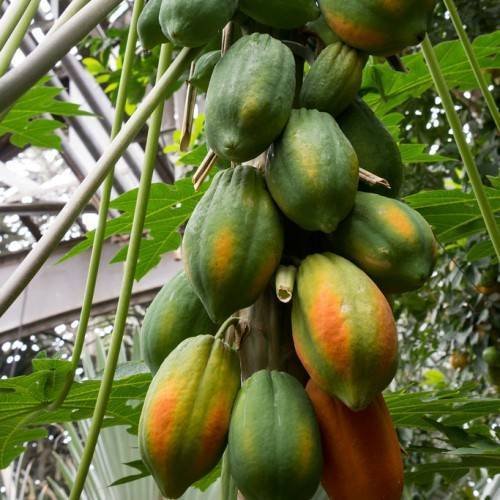
- Fruits develop uniformly
- The plant remains disease-free
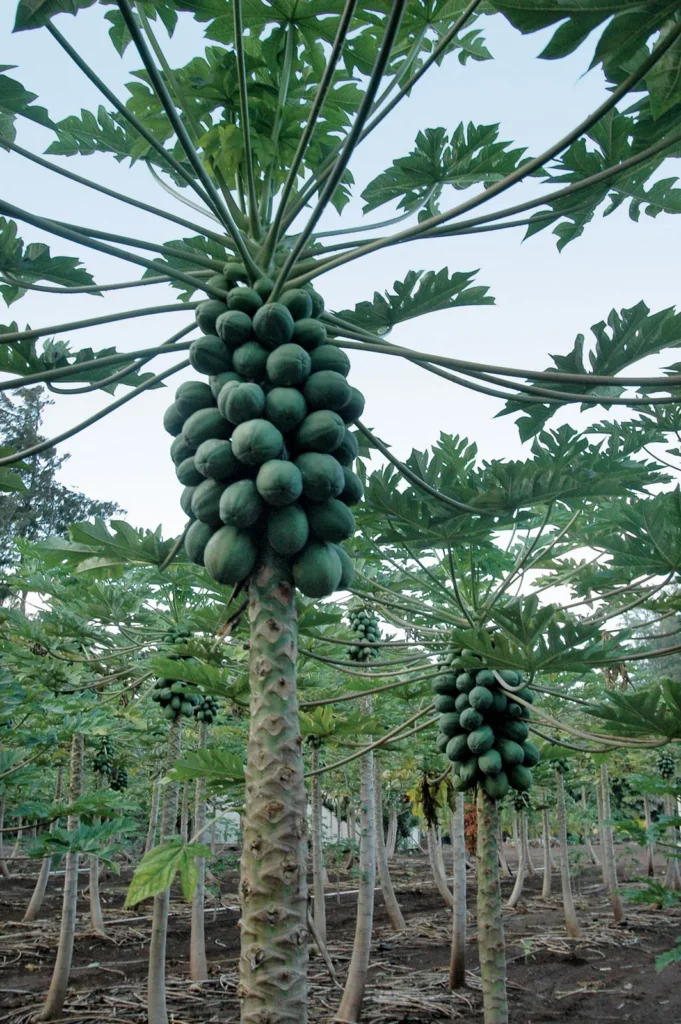
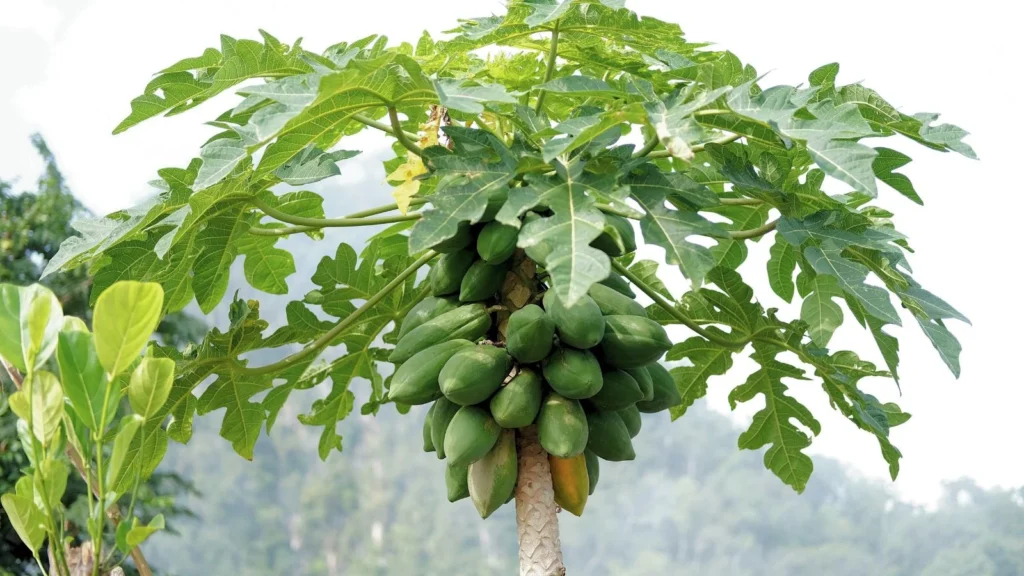
In 6–8 months, you’ll enjoy a strong, productive papaya tree.
🍃 Common Mistakes to Avoid
Even with the best growth boosters, these mistakes can slow plant growth:
❌ Overwatering
Leads to root rot and yellow leaves.
❌ Too much shade
Papaya becomes tall, weak, and fruitless.
❌ Adding raw manure
Burns roots and attracts pests.
❌ Planting in clay soil
Holds too much water.
❌ Using chemical fertilizers too early
Damages the tender roots.
Avoid these, and your papaya will thrive beautifully.
🌟 Conclusion: A Simple Method, Incredible Results
Papaya is one of the most rewarding plants to grow, especially when you use the right growth-boosting techniques. The fermented organic booster water is a game-changing secret that dramatically accelerates growth, strengthens the plant, and improves fruit size and sweetness.
With minimal cost and effort, you can enjoy:
✔ Faster plant growth
✔ Deep green healthy leaves
✔ Early flowering
✔ Bigger yields
✔ Stronger plant immunity
Try this simple method, follow the additional care steps, and your papaya plant will reward you with abundant, delicious fruits.