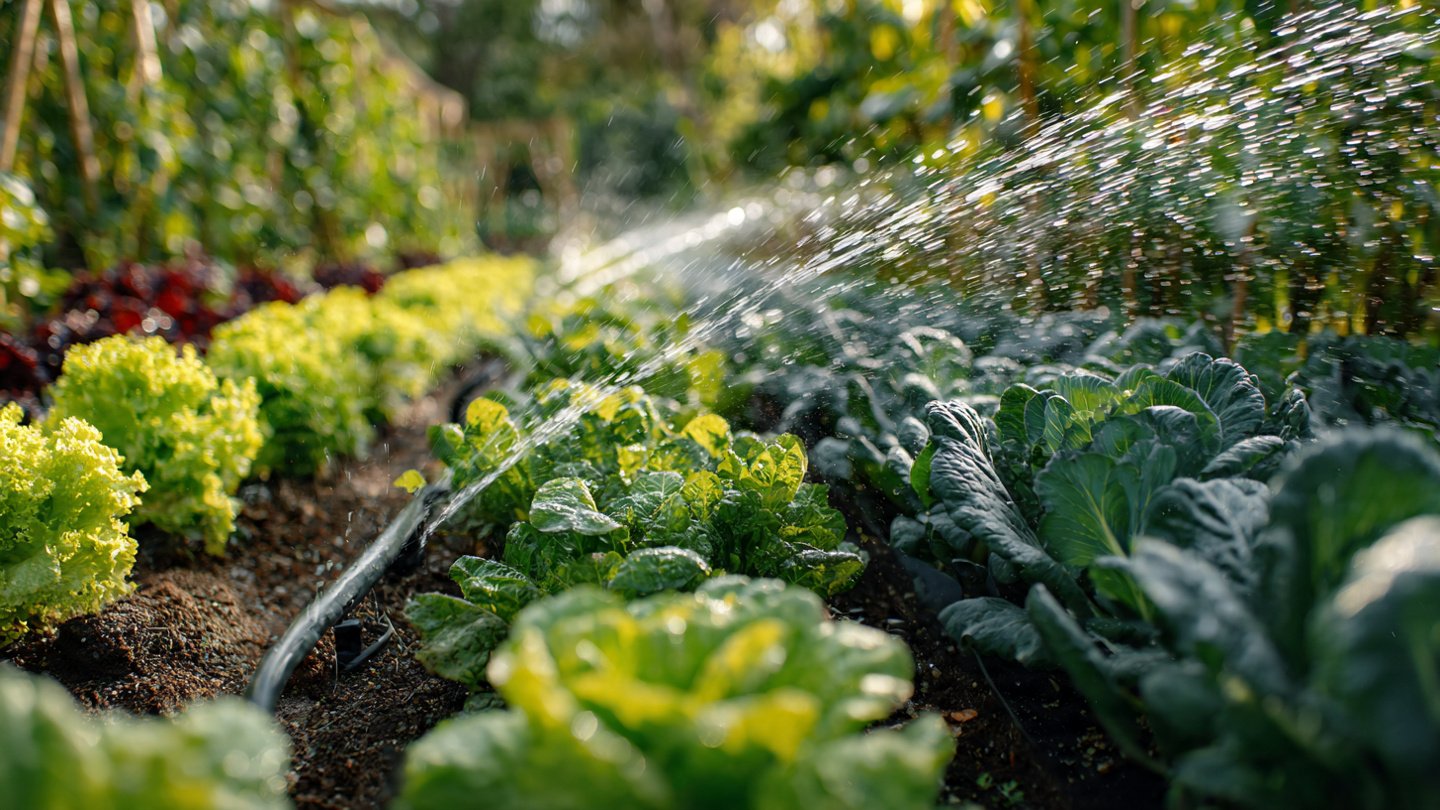
Growing your own vegetables is a rewarding endeavor, not only for the satisfaction of nurturing plants to maturity but also for the incredible flavors of freshly harvested produce. However, achieving the best flavor from your vegetables goes beyond just choosing the right seeds or cultivation methods; watering practices play a crucial role. This article delves into the best times to water your vegetables, helping you enhance their flavor, improve growth, and create a thriving garden ecosystem.
Understanding the Importance of Watering
Water is essential for plant health. It aids in nutrient uptake, photosynthesis, and overall growth. The timing and method of watering can greatly influence how your vegetables develop, especially their taste. Proper watering not only ensures healthy plants but also enhances flavor by optimizing nutrient absorption and minimizing stress on the plants.
Factors Affecting Flavor
The flavor of vegetables can be influenced by various factors, including:
-
Variety: Different vegetable types have unique flavor profiles. Some thrive in specific conditions.
-
Soil Type: Nutrient-rich, well-draining soil often leads to tastier vegetables.
-
Watering Schedule: Watering too little or too much can adversely affect flavor.
-
Environmental Conditions: Temperature, humidity, and sunlight can impact growth and flavor.
Best Times to Water Your Vegetables
Early Morning
Watering in the early morning, ideally between 5 AM and 10 AM, is often considered the best time for several reasons:
-
Reduced Evaporation: Temperatures are cooler, meaning less water is lost to evaporation. This ensures that more moisture reaches the roots.
-
Optimal Absorption: Plants are actively growing during these hours, making them more efficient at taking up water and nutrients.
-
Disease Prevention: Watering early allows foliage to dry out during the day, reducing the risk of fungal diseases that thrive in moist conditions.
-
Stress Management: Watering in the morning helps plants prepare for the heat of the day, reducing stress and promoting healthy growth.
Late Afternoon
If you miss the morning window, watering in the late afternoon can also be beneficial:
-
Cooling Effects: Watering during the late afternoon helps cool plants down. However, it’s essential to allow time for foliage to dry before nightfall to prevent diseases.
-
Preparation for Evening: Evening watering can help hydrate plants if they’ve experienced a hot day. But be cautious—over-watering at this time can lead to root rot.
Avoid Midday Watering
Midday watering, generally between 11 AM and 3 PM, should be avoided if possible. During these hours, temperatures are at their highest, and water evaporates quickly. This not only wastes water but can also shock the plants, as they are trying to regulate their temperature during peak sunlight. If you must water during this time due to scheduling conflicts, aim for watering the soil directly rather than overhead to minimize evaporation.
Factors to Consider When Watering
Soil Type and Moisture Retention
Understanding your soil type is critical in determining your watering schedule. Sandy soils drain quickly and may require more frequent watering, while clay soils hold moisture longer and can be watered less often.
You can monitor soil moisture using a simple test—stick your finger into the soil:
- If it feels dry up to the second knuckle, it’s time to water.
- If it feels moist, wait a day or two and check again.
Weather Conditions
Weather significantly affects how often and when you should water. On hot, sunny days, vegetables may require more moisture, while overcast or rainy days allow for skipped watering. Always adapt your schedule based on current conditions.
Plant Size and Stage of Growth
Young seedlings usually require closer attention and more frequent watering, as they’re developing their root systems. As plants mature, they will establish deeper roots and may be more drought-tolerant.
Mulching Techniques
Using organic mulch can help retain soil moisture and regulate temperature, allowing for less frequent watering. Mulch shades the soil, reducing evaporation, and adds nutrients as it breaks down, which can enhance vegetable flavor.
Irrigation Methods
The method of irrigation can also influence when and how much you water. Drip irrigation systems deliver water directly to the root zone, minimizing evaporation and maximizing efficiency.
Nutrient Management
Watering should be integrated with your fertilizer schedule. Excessive water can lead to nutrient leaching, while too little can stress plants and restrict nutrient uptake. Use organic amendments like compost to improve soil structure and nutrient retention, thus boosting flavor.
Signs Your Vegetables Need Water
Understanding your plants will help you determine when to water. Look for signs such as:
- Wilting leaves, which can indicate that moisture levels are low.
- A dull appearance or color change in leaves.
- Cracked soil surface when checking the moisture level.
Adjusting Watering for Different Vegetables
Not all vegetables require the same watering technique. Root vegetables like carrots and potatoes thrive with consistent moisture to encourage growth, while leafier crops like lettuce and spinach may prefer slightly drier conditions to enhance their flavor.
Watering Established Plants
Established plants, such as tomatoes and peppers, generally benefit from deeper watering less frequently. This encourages roots to grow deeper into the soil, enhancing nutrient uptake and flavor.
Harvest Time and Watering
The timing of your watering cycle can also affect the harvest. For crops like tomatoes, watering less in the days leading up to harvest can concentrate sugars and improve flavor. Conversely, leafy greens can benefit from consistent moisture to maintain tenderness.
Conclusion
Watering your vegetable garden at optimal times involves a nuanced approach that considers the type of vegetables, weather conditions, and the specific needs of your soil. Early morning watering is generally the gold standard, but understanding each plant’s requirements allows for flexibility.
By establishing a consistent watering routine and remaining mindful of these various factors, you can significantly enhance the flavor of your vegetables, leading to a bountiful and delicious harvest. The right watering techniques, combined with good gardening practices, can transform your home garden into a productive paradise filled with vibrant, flavorful produce. Happy gardening!