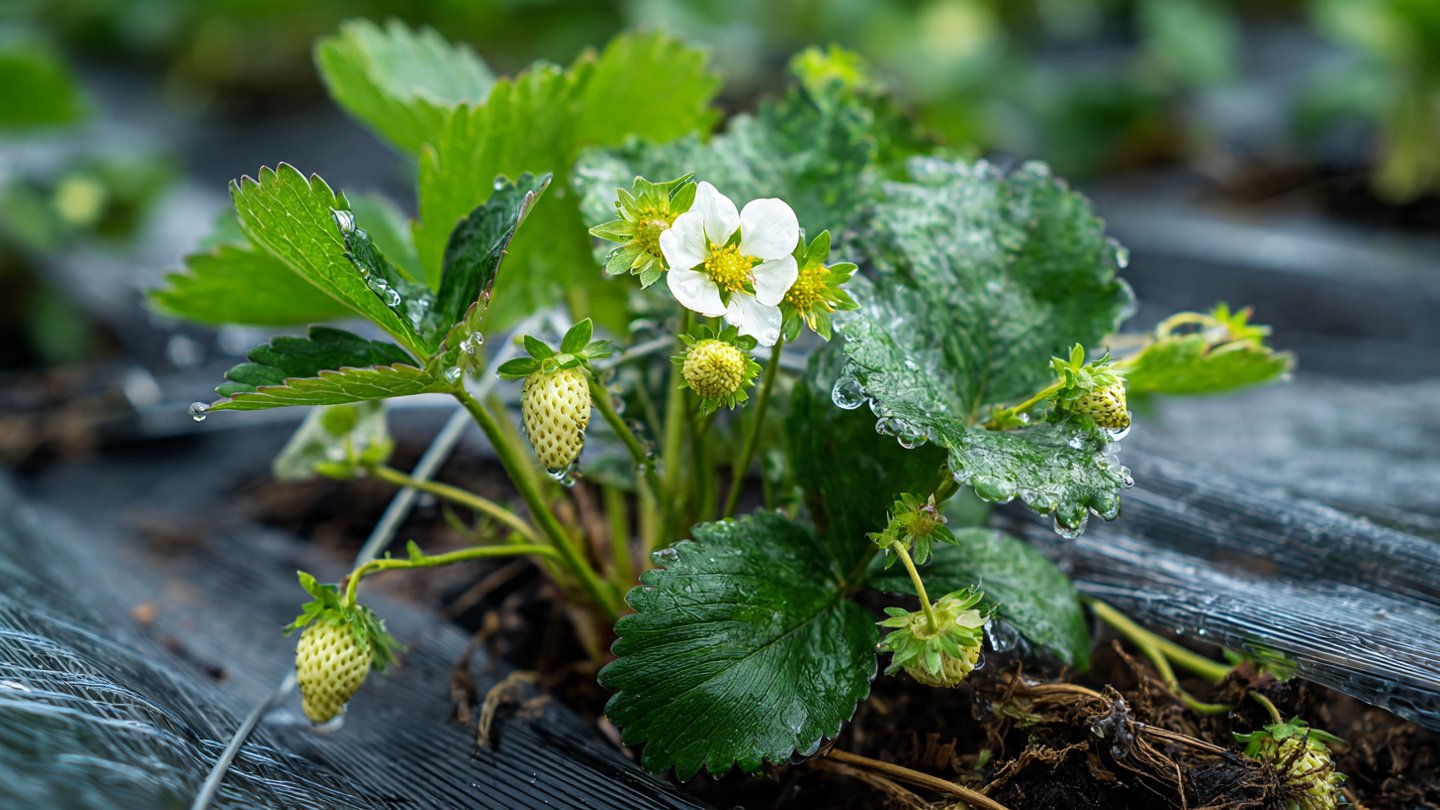
Strawberries are a beloved fruit, appreciated for their sweetness and versatility in culinary applications. However, they are particularly sensitive to frost, which can devastate your crop. Implementing effective strategies to protect your strawberry plants against frost damage is essential for any grower. This article delves into best practices that can help you safeguard your strawberry plants, ensuring a fruitful harvest.
Understanding Frost and Its Impact on Strawberries
Frost occurs when temperatures drop low enough for ice crystals to form in the atmosphere. For strawberries, even a light frost can damage flowers and fruits, leading to reduced yields. The most vulnerable stages of development include:
- Bud Stage: Frost can kill developing flower buds, leading to poor pollination and fruit formation.
- Flowering Stage: Open flowers are highly susceptible. A drop below 32°F (0°C) can cause flower tissues to freeze, inhibiting fruit development.
- Fruit Development: Young berries can also suffer from bruising and necrosis.
Understanding these vulnerabilities is the first step in implementing protective measures.
Best Practices for Protecting Strawberry Plants Against Frost
1. Choose the Right Location
Choosing a good planting site is critical for strawberry health. Consider the following:
- Elevation: Avoid low-lying areas where cold air settles. Plant in elevated areas where air drains away from the crops.
- Sun Exposure: A sunny location can help warm the plants during the day and provide some heat at night. A south-facing slope is ideal.
2. Use Frost-Resistant Varieties
Some strawberry varieties are more resistant to frost than others. Selecting varieties suited to your climate can make a significant difference. Look for cultivars that bloom later in the season to avoid late frosts, such as:
- Chandler: Known for its high yield and quality, blooming occurs later in the season.
- Seascape: This everbearing variety produces throughout the summer and is known for its frost hardiness.
3. Implement Protective Coverings
Covering your strawberry plants during frosty conditions can offer a protective buffer. Various materials can be used:
- Frost Cloths: Lightweight and breathable, these fabrics allow sunlight through while trapping heat.
- Row Covers: These are effective early in the season when frost is more common. They create a mini greenhouse effect, raising temperatures slightly around the plants.
4. Mulching
Applying organic mulch (like straw or wood chips) around the base of the plants can help insulate the soil and regulate temperature. Here’s how to mulch effectively:
- Timing: Apply mulch in late fall or early spring before the plants begin to flower.
- Thickness: Aim for a 2–4 inch layer of mulch, which helps retain soil moisture and maintain consistent temperatures.
5. Install Windbreaks
Wind can exacerbate frost conditions by lowering temperatures further. Planting windbreaks, like hedges or shield plants, can help reduce wind chill around your strawberry field. Consider the following:
- Height and Density: The windbreak should be tall and dense enough to create a significant barrier against cold winds.
- Orientation: Position windbreaks to intercept prevailing winds that threaten your strawberries.
6. Irrigation Techniques
Using water as a protective measure during frost events can be effective:
- Overhead Irrigation: Applying water in a frost-free zone can help create a layer of ice around the plant. As the water freezes, it releases heat, keeping the surroundings warmer.
- Soaker Hoses: These can help maintain soil moisture, as wet soil retains heat better than dry soil.
Note: Overhead irrigation should be done in the early hours before frost sets in.
7. Timing Planting Wisely
To avoid frost damage, determine the last frost date in your area and plan your planting schedule accordingly. Utilize:
- Frost Dates: Research the average last frost date to time your planting just after this date, allowing strawberries to bloom when frost risk is minimal.
- Protection During Early Growth: If planting early, ensure you have protective measures in place.
8. Temperature Monitoring
Keeping an eye on nighttime temperatures can be critical for protecting strawberry plants. Utilize:
- Thermometers: Install outdoor thermometers to monitor temperature fluctuations near the plants.
- Weather Apps: Use smartphone applications to receive timely weather alerts predicting frost.
9. Regular Maintenance
Healthy plants are more resistant to frost damage. Implement the following maintenance practices:
- Soil Testing: Ensures nutrient balance for robust plant growth.
- Pruning: Remove dead or diseased foliage to improve air circulation and encourage stronger growth.
- Fertilization: Apply balanced fertilizers to promote healthy foliage development, which can help protect against extremes.
10. Post-Frost Recovery Techniques
Sometimes, frost cannot be avoided. If frost damage occurs, prompt action can assist in recovery:
- Prune Damaged Areas: Remove dead or dying foliage to encourage new growth and prevent disease.
- Watering: Moist soil can stimulate new root growth and support recovering plants.
- Restoration Fertilizers: Use fertilizers high in potassium to encourage flowering after damage has occurred.
FAQs
1. What temperature causes frost damage to strawberries?
Frost damage can occur when temperatures drop below 32°F (0°C). Young flower buds and open flowers are particularly vulnerable.
2. Can I cover my strawberries with plastic?
While plastic can provide some insulation, it may not allow for proper airflow and could trap moisture, resulting in fungal issues. Use breathable fabrics instead.
3. Is it necessary to water strawberries before a frost?
Yes, moisture in the soil can help maintain a stable temperature and prevent severe frost damage. Wet soil retains heat better than dry soil.
4. How can I check if my strawberry plants have suffered damage after a frost?
Inspect the flowers and leaves. Damaged flowers may appear wilted or discolored, while foliage may show signs of freezing. If a significant amount of foliage is damaged, consider pruning back unhealthy areas.
5. What are some frost-resistant strawberry varieties?
Some frost-resistant varieties include Chandler, Seascape, and June-bearing types like Jewel. These varieties tend to bloom later, reducing frost risk.
6. How can I make a simple frost cover at home?
You can create a simple frost cover using lightweight materials such as old bedsheets or burlap sacks. Place them over your plants during cold nights, ensuring the cover touches the ground to trap heat.
7. How do I calculate my local average last frost date?
Check local agricultural extension offices, gardening centers, or online climate resources to find average last frost dates specific to your area.
Conclusion
Protecting your strawberry plants against frost damage requires a combination of careful planning, environmental awareness, and proactive measures. From selecting the right planting site and varieties to employing protective coverings and irrigation techniques, these best practices can safeguard your crops throughout the growing season. Understanding the threats posed by frost and acting accordingly ensures that your strawberry plants will thrive, delivering sweet and delicious fruits for you to enjoy. Happy gardening!