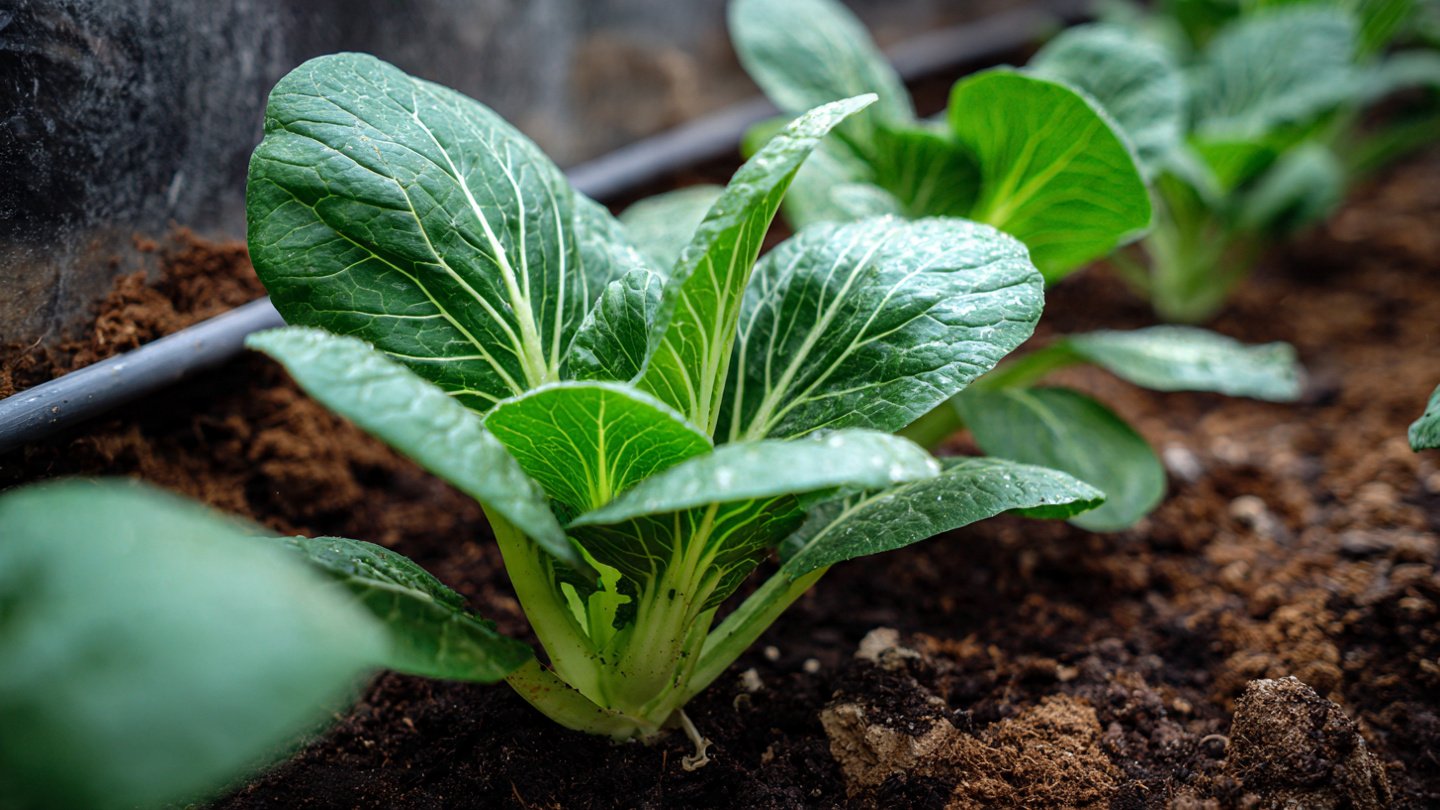
Growing your own vegetables can be incredibly rewarding, especially when it comes to leafy greens like pak choi. Also known as bok choy, this versatile Asian green is not only nutritious but can also fit into even the smallest of spaces. In this article, we’ll discuss the best practices for cultivating pak choi in home gardens, particularly in limited areas, and how to maximize your yield.
Understanding Pak Choi
Pak choi is a member of the Brassica family, which includes other nutrient-rich vegetables like cabbage and broccoli. It thrives in cooler weather, making it suitable for spring or fall planting. Its tender leaves and crisp stalks offer an excellent source of vitamins A, C, and K, along with minerals like calcium and iron.
Choosing the Right Variety
Before starting your pak choi journey, it’s essential to select the right variety based on your growing conditions:
- Standard Pak Choi: This variety forms a bulky head and is best for garden beds.
- Baby Pak Choi: Smaller and faster-growing, ideal for pots or small containers.
- Rainbow Pak Choi: Offers a mix of colors, adding aesthetic appeal.
When cultivating in small spaces, opting for ‘Baby Pak Choi’ can provide quicker yields and more manageable growth.
Optimal Growing Conditions
Pak choi thrives in cooler temperatures (between 55°F to 70°F). Hence, timing your planting is crucial:
- Spring Planting: Start seeds indoors 4-6 weeks before the last frost date, then transplant them outdoors.
- Fall Planting: Sow seeds in late summer for a fall harvest.
Soil Requirements
A well-draining soil rich in organic matter is indispensable. Aim for a pH range of 6.0 to 7.0. Consider the following types of soil mixtures:
- Container Mix: Combine potting soil with compost for nutrient retention.
- Raised Beds: Mix equal parts of garden soil, compost, and perlite for improved drainage.
Container Gardening for Pak Choi
For small spaces, containers are your best option. Here’s how to optimize pot growing:
- Pot Size: Choose pots that are at least 6-8 inches deep for baby pak choi. Ensure adequate drainage holes.
- Spacing: Allow 6-12 inches between plants to promote airflow and prevent diseases.
- Soil Depth: Use at least 8 inches of soil to provide adequate root growth.
Sunlight and Watering
Light Requirements
Pak choi prefers 6-8 hours of sunlight daily. If you are growing in partial shade, ensure the plants receive early morning sunlight to sustain growth. Use reflective materials like white cloth or aluminum foil around your container to maximize light exposure.
Watering
Maintaining consistent moisture is key:
- Watering Frequency: Water your plants when the top inch of soil feels dry. Avoid letting the soil completely dry out.
- Irrigation Technique: Consider using a drip irrigation system for small spaces to provide consistent moisture without overwatering.
Fertilization
Pak choi is a rapid grower and will benefit from regular feeding. Use a balanced fertilizer every four weeks, following these guidelines:
- Organic Options: Fish emulsion or seaweed extract is effective and safe for smaller container gardens.
- NPK Ratio: Look for a fertilizer with a ratio close to 10-10-10 to ensure balanced nutrition.
Pest and Disease Management
Overcrowding and high humidity can lead to issues like aphids, slugs, and downy mildew. Here’s how to manage them effectively:
- Natural Predators: Introduce ladybugs or lacewings which can help control aphid populations.
- Neem Oil: Use neem oil as an organic pesticide, applying it weekly or bi-weekly.
- Good Hygiene: Remove any dead leaves or debris that can harbor pests and diseases.
- Companion Planting: Interplant with herbs like basil or marigold to repel pests naturally.
Harvesting Pak Choi
Timing
Pak choi is generally ready for harvest 30 to 60 days after planting, depending on the variety. Look for:
- Size: Baby pak choi can be harvested once the leaves are about 4-6 inches tall.
- Color: Leaves should be vibrant green and firm.
Harvesting Technique
Use a sharp knife to cut the plant at the base, leaving several inches of stem intact; this encourages new growth. Alternatively, you can harvest outer leaves individually, allowing the inner leaves to continue growing.
Maximizing Yield in Small Spaces
- Succession Planting: Plant pak choi every two weeks to ensure a continuous harvest throughout the growing season.
- Vertical Gardening: Use vertical planters or racks to optimize space.
- Intercropping: Pair pak choi with slower-growing plants like carrots, which create minimal shade and maximize space use.
Seasonal Considerations
- Frost Protection: In colder climates, consider using row covers or cloches to protect young plants from frost.
- Shade Management: In hotter climates, providing afternoon shade can help prevent bolting (premature flowering) in warmer weather.
FAQs
1. How often should I water pak choi?
Pak choi thrives on consistent moisture. Water when the top inch of soil dries out, typically every few days, especially in warmer weather.
2. Can pak choi be grown indoors?
Yes! Pak choi does well in containers indoors, provided it receives adequate light. Consider supplementing with grow lights if daylight is insufficient.
3. What are the signs of overwatering in pak choi?
Signs of overwatering include yellowing leaves, wilting, and a mushy stem. Ensure your containers have proper drainage to avoid waterlogging.
4. Is it possible to grow pak choi year-round?
In mild climates, pak choi can be grown year-round, but you’ll need to manage temperatures and protect it from extreme weather using greenhouse setups or cloches in colder months.
5. Can I eat pak choi after it bolts?
While bolted pak choi can still be edible, it may become tough or bitter. Harvest leaves promptly if bolting occurs and consider replanting for better flavor.
Conclusion
Cultivating pak choi at home, even in small spaces, is not only feasible but also rewarding. By implementing these best practices, you can maximize your yield, enjoy fresh produce, and improve your gardening skills. Whether you’re a seasoned gardener or a novice, pak choi can be your next success story. Start your journey today and relish the experience of growing your own fresh, tasty greens!