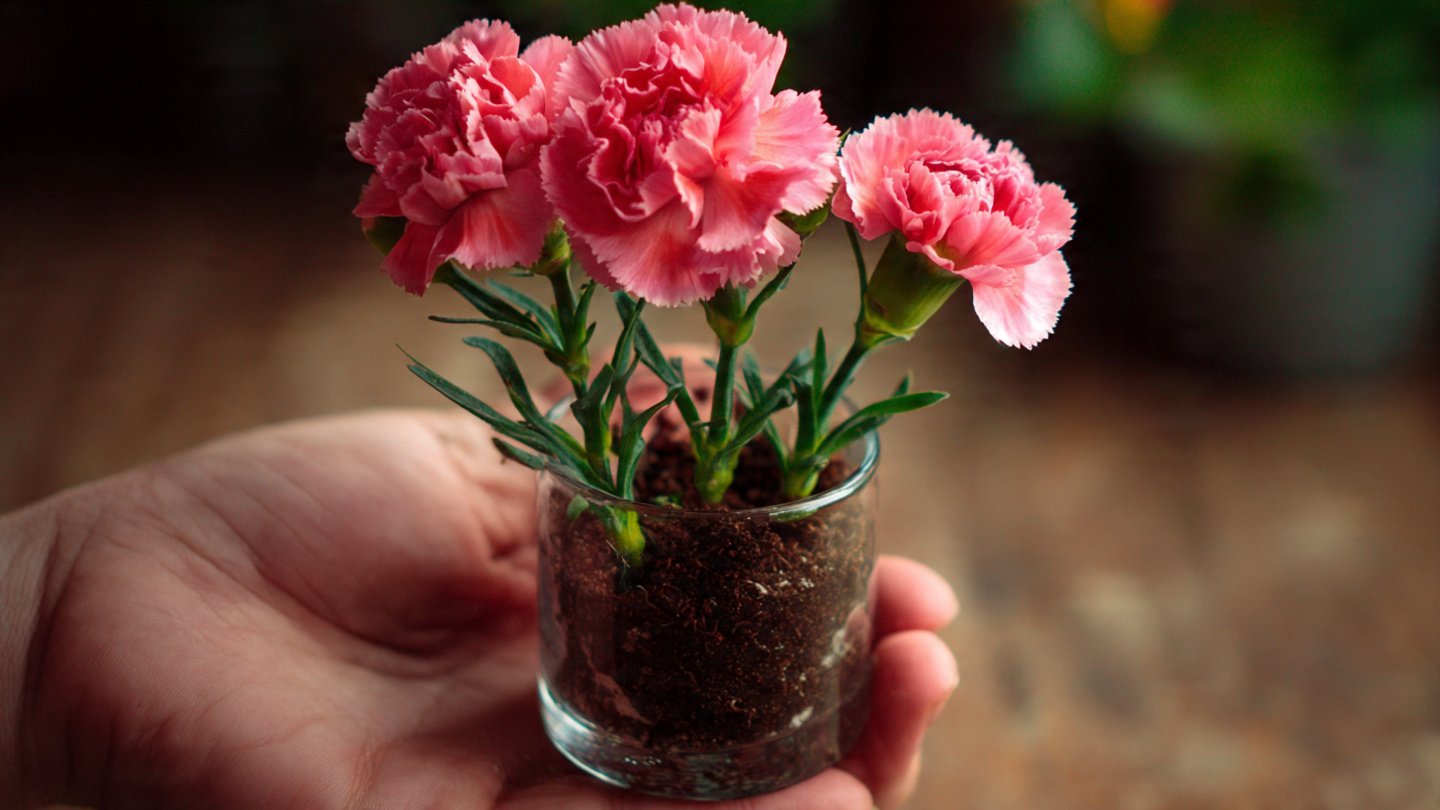
Best Method to Successfully Grow Carnations from Cuttings at Home
Carnations (Dianthus caryophyllus) are among the most beloved flowers worldwide, cherished for their vibrant colors, pleasant fragrance, and long-lasting blooms. Growing carnations from cuttings can be a rewarding endeavor, as it not only allows gardeners to propagate their favorite varieties but also to engage in a cost-effective, sustainable gardening practice. In this article, we’ll explore the best methods for successfully growing carnations from cuttings at home, covering everything from selecting cuttings and preparing them for rooting, to care and maintenance after planting.
1. Understanding Carnations
Before diving into the propagation process, it’s essential to understand the characteristics of carnations. These flowers thrive in well-drained soil and prefer full sunlight, making them perfect for home gardens and containers. They come in various colors and shades and are appreciated for their versatility in floral arrangements.
2. Selecting the Right Time
The best time to take cuttings is during the late spring to early summer when the plant is actively growing. At this time, the stems are still soft and pliable, which increases the chances of successful rooting. Avoid cutting on overly hot days, as stress may impact the cutting’s health.
3. Preparing to Take Cuttings
Tools and Materials Required:
- Sharp, Clean Pruning Shears: Necessary for taking cuttings without damaging the plant.
- Rooting Hormone (optional): This can encourage quicker root development.
- Well-draining Potting Mix: A mix designed for propagation or a combination of peat moss and perlite works well.
- Containers or Pots: Small pots or trays for rooting the cuttings.
- Plastic Bag or Dome: To create a humid environment for the cuttings.
4. Taking the Cuttings
-
Choose Healthy Stems: Look for stems that are healthy, disease-free, and semi-hardwood (not too soft or too woody). Ideally, select stems that are about 4 to 6 inches long.
-
Make the Cut: Using your sharp pruning shears, cut just below a leaf node at a 45-degree angle. This angle increases the surface area for root growth and allows for better water absorption.
-
Remove Lower Leaves: Strip off the lower leaves, leaving only the top two or three leaves. This step helps the cutting direct energy towards root development instead of leaf maintenance.
-
Optional – Dip in Rooting Hormone: If you have rooting hormone, dip the cut end of the stem into it to encourage root growth. This step can be particularly beneficial for promoting rapid rooting.
5. Planting the Cuttings
Steps to Plant:
-
Prepare the Potting Mix: Fill your pots or trays with well-draining potting mix and moisten it slightly to ensure it’s damp but not soggy.
-
Insert the Cuttings: Make a small hole in the soil with a pencil or your fingers and gently place the cutting in. Firm the soil around the cutting to hold it in place. Ensure that no leaves are buried in the soil, as this can lead to rot.
-
Water the Cuttings: After planting, water the cuttings lightly so that the soil is evenly moist. Avoid overwatering, which can cause the cuttings to rot.
-
Create a Humid Environment: Cover the pots with a plastic bag or dome to retain moisture. This creates a mini-greenhouse effect, promoting faster root development.
6. Caring for the Cuttings
-
Light: Place the pots in a location with bright, indirect sunlight. Direct sunlight can scorch the cuttings, while too little light can impede growth.
-
Temperature: Maintain a warm environment, ideally between 65°F to 75°F (18°C to 24°C), for optimal root development.
-
Humidity: Regularly check the moisture levels in the soil and ensure that the humidity remains high inside the cover. Ventilate once a day to prevent mold growth.
-
Watering: Keep the soil consistently moist but not soggy. Once you notice new growth, it indicates that roots are forming. At this stage, reduce humidity gradually by removing the cover for longer periods.
7. Transplanting the Cuttings
After 4 to 6 weeks, you should observe new growth on your cuttings, indicating that they have rooted successfully. To transplant:
-
Prepare a New Pot: Choose a larger pot filled with well-draining potting soil.
-
Remove the Cuttings: Carefully take the rooted cuttings from their current pots, being cautious not to damage new roots.
-
Transplant: Place them in the new pot, ensuring you plant them at the same depth they were previously. Pat the soil gently around the stem and water well.
-
Acclimate: Place the transplants in a protected area for a few days to help them acclimatize to their new environment before exposing them fully to sunlight.
8. Long-Term Care
Once your carnations are established, they require ongoing care to thrive:
-
Watering: Keep the soil consistently moist but avoid waterlogging. Young plants may need more frequent watering.
-
Fertilizing: After a month of transplanting, start fertilizing with a balanced liquid fertilizer every couple of weeks during the growing season to encourage robust growth.
-
Pruning: Deadhead spent blooms to encourage more flowering and promote healthier growth.
-
Pest Management: Watch for common pests such as aphids and spider mites. Use insecticidal soap or neem oil as necessary.
9. Troubleshooting Common Issues
-
Cuttings Rotting: This can occur due to overly wet soil or lack of airflow. Ensure proper drainage and ventilation.
-
Wilting: Indicating lack of water or humidity. Assess the conditions and adjust your care accordingly.
-
Slow Growth: This can be a result of inadequate light or nutrients. Ensure adequate sunlight and consider fertilizing.
Conclusion
Growing carnations from cuttings can be a fulfilling project, offering a chance to create beautiful blooms in your garden. The success lies in meticulous care and attention during the rooting process, as well as providing the right environmental conditions as they grow. Armed with the knowledge of techniques and some patience, anyone can enjoy the beauty of carnations right from their home.
FAQs
Q1: How long does it take for carnation cuttings to root?
A1: Typically, carnation cuttings take about 4 to 6 weeks to root under optimal conditions.
Q2: Can I grow carnations from seeds instead of cuttings?
A2: Yes, carnations can be grown from seeds, but this method takes longer than propagation from cuttings.
Q3: Do I need to use rooting hormone for carnation cuttings?
A3: While not necessary, using rooting hormone can improve the chances of successful rooting.
Q4: How do I know if my cutting has successfully rooted?
A4: Signs of successful rooting include new leaf growth and a firm hold in the soil.
Q5: Can I propagate carnations indoors?
A5: Yes, you can propagate carnations indoors as long as they receive enough light and warmth.
With the right techniques, patience, and love, you can enjoy a vibrant garden filled with beautiful carnations, adding color and fragrance to your home!