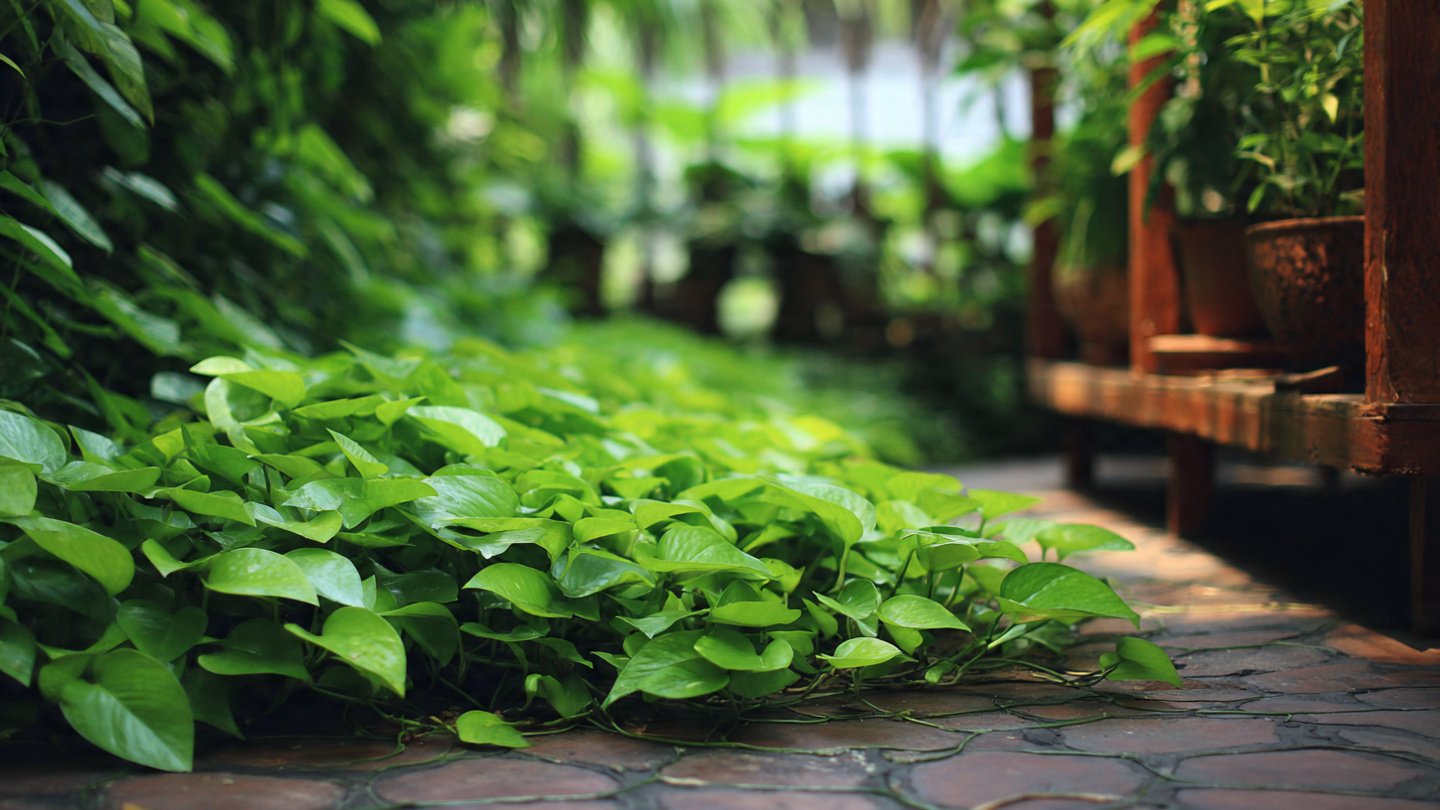
Gardening enthusiasts and eco-conscious individuals are increasingly seeking sustainable practices that not only enhance the beauty of their gardens but also support the environment. Among various plant options, pothos, scientifically known as Epipremnum aureum, has gained popularity as an attractive and practical ground cover. Known for its lush green foliage and adaptability, pothos offers numerous benefits to your garden space. This article explores the advantages of using pothos as a sustainable ground cover, focusing on its environmental benefits, aesthetic appeal, ease of care, and more.
What is Pothos?
Pothos is a tropical vine native to French Polynesia but widely cultivated around the world. Recognizable by its heart-shaped leaves and trailing nature, it grows vigorously and can be used both indoors and outdoors. Pothos is known for its hardiness and forgiving nature, making it a favorite among novice and experienced gardeners alike.
Benefits of Using Pothos as Ground Cover
1. Environmentally Friendly
One of the primary advantages of using pothos as ground cover is its environmental sustainability. Pothos is known for its air-purifying capabilities. It effectively removes indoor pollutants such as formaldehyde, xylene, and benzene, improving air quality for nearby plants and humans. Utilizing pothos in your outdoor garden environment helps create a healthier ecosystem.
2. Rapid Growth and Coverage
Pothos is characterized by its rapid growth, making it an excellent choice for ground cover. Within a short period, it can spread and cover large areas, thereby reducing soil erosion and protecting against weed growth. This establishes a healthier garden environment, allowing other plants to thrive without competition for resources.
3. Low Maintenance
Pothos is exceptionally low-maintenance, making it an ideal choice for gardeners who may lack the time or expertise for intensive plant care. Pothos can thrive in a variety of soil types and light conditions, including low light, making it adaptable to different environments. It only requires occasional watering, allowing it to survive in periods of drought.
4. Shade Tolerance
Pothos is particularly effective as ground cover in shaded areas where many other plants struggle to grow. Its ability to thrive in low-light conditions makes it invaluable for gardens with limited sunlight. By using pothos, you can transform dim corners of your garden into green, lively spaces.
5. Biodiversity Support
Ground cover plants like pothos play an essential role in promoting biodiversity. By providing a habitat for various insects and small animals, pothos contributes to the stability of the ecosystem. This increase in biodiversity can lead to healthier, more resilient garden environments.
6. Aesthetically Pleasing
Pothos is visually appealing, with its vibrant green leaves and variegated varieties that add interest to any garden. As it trails and spreads, it can create an attractive carpet of foliage, enhancing the overall aesthetics of your garden space. It’s a great choice for borders, rock gardens, or as an accent for other plants.
7. Invasive Species Control
In some regions, pothos can act as a barrier to invasive species, effectively suppressing their growth by occupying available space and resources. While it is crucial to manage pothos growth to ensure it doesn’t become invasive itself, its ability to outcompete less desirable plants makes it a viable option for certain landscapes.
8. Soil Erosion Prevention
By covering the ground and establishing a root system, pothos helps prevent soil erosion. The dense foliage creates a protective layer that shields the soil from heavy rain and wind, promoting soil health and maintaining garden structure. This feature is especially beneficial on slopes or in areas prone to erosion.
9. Cost-Effective Ground Cover
Pothos is often inexpensive and readily available, making it a budget-friendly option for gardeners. You can propagate pothos easily from cuttings, enabling you to expand your ground cover without spending a lot on purchasing new plants. This property enhances its appeal as a sustainable gardening solution.
10. Versatility in Design
With its climbing nature, pothos can be used in various garden designs. It can be allowed to trail down from raised beds or cascading over rocks, creating a dynamic visual effect. Its adaptability means it can find a place in a wide range of gardening styles, from modern to traditional.
11. Drought Resistance
Once established, pothos is relatively drought-resistant, making it suitable for regions that experience periods of low rainfall. Its ability to store water allows it to thrive in less-than-ideal conditions, reducing the need for constant watering and thus further lowering maintenance requirements.
12. Seasonal Interest
Pothos can maintain its lush appearance throughout various seasons, providing greenery in the garden year-round. The varied leaf shapes, colors, and sizes create visual interest and can balance seasonal color schemes, contributing to a vibrant landscape.
13. Safe for Pets
Unlike many ornamental plants, pothos is non-toxic to pets, making it a safer choice for households with furry friends. While ingestion can cause mild gastrointestinal upset, it does not possess the severe toxicity levels that many other common plants do.
14. Improved Soil Health
As pothos grows, it contributes organic matter to the soil when leaves fall and decompose. This process enriches the soil, improving its fertility over time. Enhanced soil health promotes better growth for neighboring plants and contributes to a more sustainable gardening practice.
15. Companion Planting
Pothos can serve as a beneficial companion plant for other garden varieties. Its growth habit can help provide ground coverage and humidity control for more delicate plants, fostering an environment where diverse plant species can coexist harmoniously.
FAQs
1. Is pothos an invasive plant?
Pothos can become invasive in some areas, particularly in tropical climates. However, with proper management and care, you can control its growth and prevent it from spreading uncontrollably.
2. How much sunlight does pothos need?
Pothos thrives in low to moderate light conditions, but it can tolerate bright, indirect sunlight. Avoid placing it in direct sunlight, as it can scorch the leaves.
3. Can pothos grow in water?
Yes, pothos can grow in water. You can propagate cuttings in water, and once established, it can continue growing in water as long as you change the water regularly and provide nutrients.
4. What type of soil is best for pothos?
Pothos prefers well-draining potting soil that retains some moisture. A mix designed for houseplants or a combination of potting soil and perlite works well.
5. How often should I water pothos?
Water pothos when the top inch of soil feels dry. Depending on environmental conditions, this may mean watering every 1-2 weeks.
6. Is pothos safe for pets?
Pothos is generally considered non-toxic to pets; however, if ingested in large quantities, it may cause mild gastrointestinal upset. Always monitor your pets around houseplants.
7. Can pothos survive winter outdoors?
Pothos is a tropical plant and does not tolerate frost. If you live in a colder climate, it’s best to bring it indoors during the winter months.
8. How can I propagate pothos?
Pothos can be propagated easily by taking cuttings from the plant. Ensure that each cutting has at least one node, place it in water or soil, and keep it in a warm, bright area until roots develop.
9. Will pest issues affect pothos?
Pothos is relatively resistant to pests, but it can occasionally attract spider mites, mealybugs, or aphids. Regularly checking for pests and maintaining good air circulation can help prevent infestations.
10. What are the best companion plants for pothos?
Pothos pairs well with other tropical plants, such as ferns and philodendrons, that share similar light and moisture requirements.
Conclusion
Using pothos as a sustainable ground cover for your garden space is a plant-friendly choice that supports biodiversity, enhances aesthetics, and presents numerous environmental benefits. Its ease of care, rapid growth, and adaptability make it an ideal option for gardeners of all levels. Whether you’re looking to improve air quality, reduce soil erosion, or simply create a lush, green space, pothos is a versatile and attractive solution for your garden needs. With its myriad benefits and low maintenance requirements, pothos is not just a plant but a sustainable choice that fosters a healthier environment while beautifying your garden.