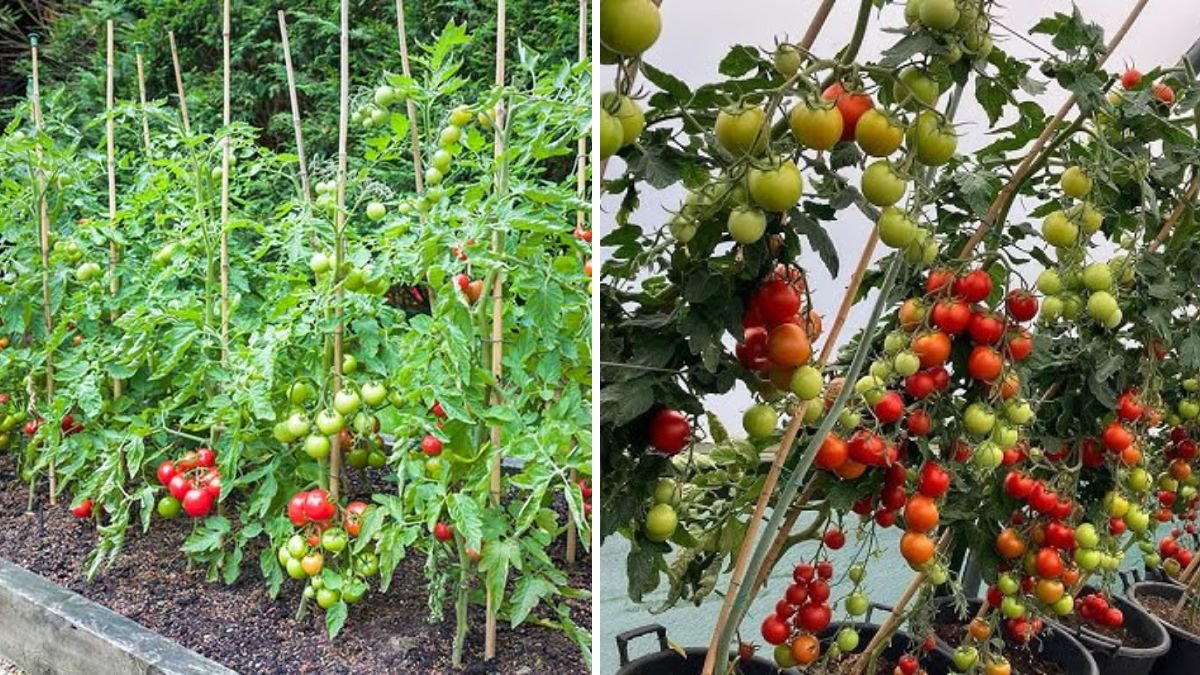
Tomatoes are one of the most popular and versatile vegetables grown at home. Fresh, juicy tomatoes elevate any dish, and the satisfaction of growing them yourself is unmatched. For beginners, growing tomatoes from cuttings is an easy, cost-effective, and highly productive method. It allows gardeners to propagate plants without buying seeds or seedlings, producing strong, healthy plants with minimal effort.
This guide will walk you through beginner-friendly tomato gardening from cuttings, covering everything from selecting the right plant material to care, fertilization, and harvesting.
Why Grow Tomatoes from Cuttings?
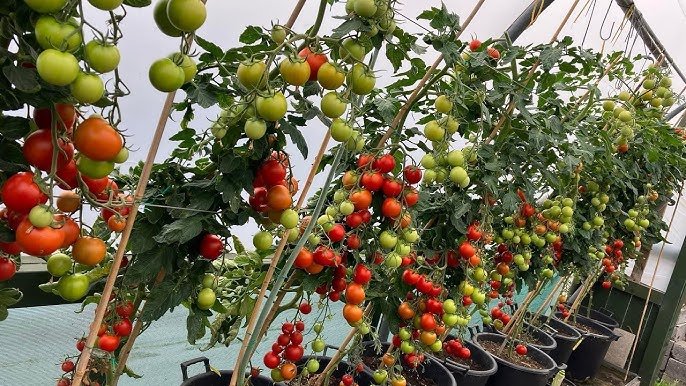
Growing tomatoes from cuttings offers several advantages, especially for beginners:
- Cost-effective: No need to buy seeds repeatedly
- Faster harvest: Cuttings establish quicker than seeds
- High survival rate: Strong cuttings often grow into healthy plants
- Space-saving: Perfect for containers, balconies, and small gardens
- Cloning preferred varieties: Preserve favorite tomato varieties
Even beginners can achieve impressive tomato yields using this simple propagation method.
Step 1: Selecting Healthy Parent Plants
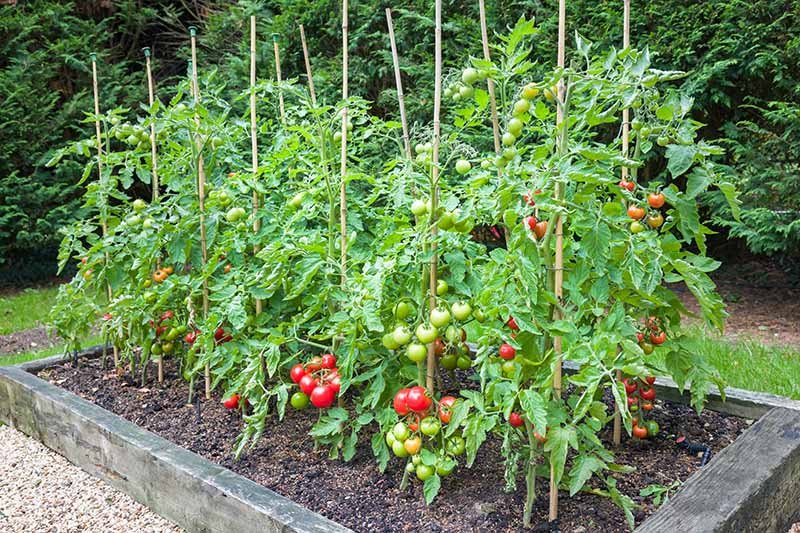
The first step is to choose a healthy, disease-free tomato plant as the source for cuttings.
Parent Plant Guidelines
- Strong, vigorous, and free from pests
- Producing healthy flowers and fruits
- Ideally mid-season or early-season variety for faster growth
- Avoid stressed or nutrient-deficient plants
Selecting a robust parent plant ensures healthy cuttings and maximum yields.
Step 2: Preparing the Cuttings
Tomato cuttings are easy to take and root quickly when handled properly.
Cutting Guidelines
- Choose a healthy side shoot or stem, about 6–8 inches long
- Cut just below a leaf node using clean, sharp scissors
- Remove lower leaves, leaving 2–3 sets of leaves at the top
- Optional: Dip the cut end in rooting hormone to boost root growth
Pro Tip: Take cuttings in the morning when plants are well-hydrated for better survival.
Step 3: Rooting the Tomato Cuttings
Rooting cuttings properly is key to successful propagation.
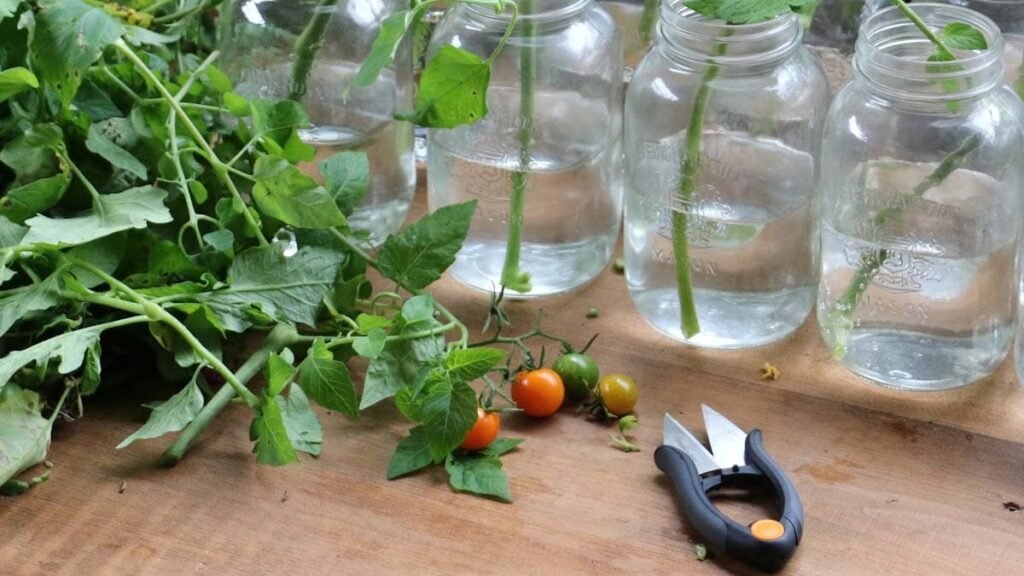
Rooting Methods
- Water method: Place the cut end in a glass of water and wait 7–14 days for roots to develop
- Soil method: Plant the cutting directly in a small pot filled with moist, well-draining soil mix
- Keep in indirect sunlight and maintain consistent moisture
- Transplant once roots are strong (2–3 inches long for water method, well-established soil roots for soil method)
Pro Tip: Ensure good airflow and avoid direct harsh sun during rooting to prevent wilting.
Step 4: Choosing Containers and Soil
Once the cuttings develop roots, they need suitable containers and soil for growth.
Container Guidelines
- Pots, buckets, or grow bags with 5–7 gallons capacity
- Drainage holes are essential to prevent waterlogging
Soil Mix
- 50% garden soil
- 30% compost or vermicompost
- 20% sand or cocopeat for drainage
- Optional: Bone meal or balanced fertilizer for stronger roots
Proper containers and fertile soil ensure healthy plant establishment and vigorous growth.
Step 5: Transplanting Cuttings
Transplant rooted cuttings carefully to prevent shock.
Transplanting Steps
- Fill the container with prepared soil
- Dig a hole slightly deeper than the cutting’s root length
- Plant the cutting and firm the soil gently around it
- Water immediately to settle the soil
- Place in a location with 6–8 hours of sunlight per day
Pro Tip: Plant deeper if the stem is long; tomatoes can develop roots along buried stems, strengthening the plant.
Step 6: Sunlight and Temperature Requirements
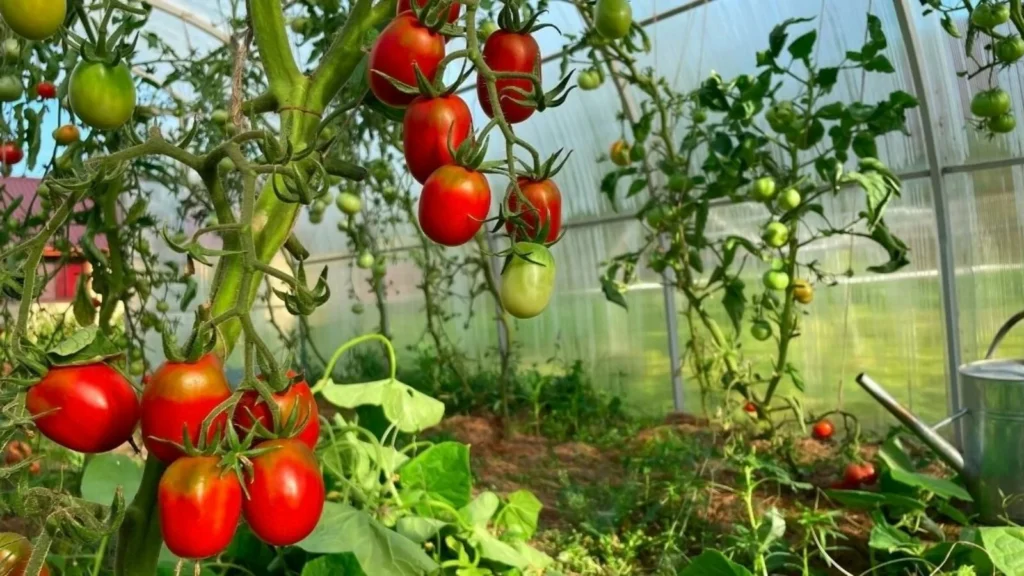
Tomatoes thrive in full sunlight and warm temperatures.
- Minimum: 6 hours of sunlight per day
- Optimal: 7–8 hours per day
- Ideal temperature: 70–85°F (21–29°C) for growth
- Avoid exposing young cuttings to harsh afternoon sun initially
Adequate sunlight ensures strong stems, lush foliage, and abundant flowering.
Step 7: Watering Tomatoes
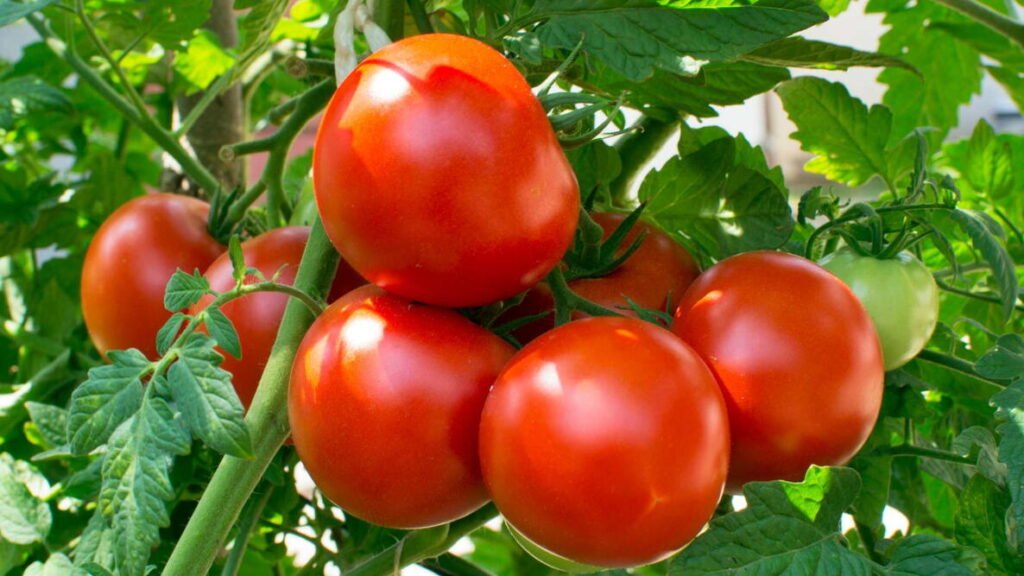
Consistent moisture is essential for healthy tomato growth.
Watering Guidelines
- Keep soil evenly moist but not waterlogged
- Water at the base to avoid wetting foliage, which can cause fungal diseases
- Mulch around the plant to retain moisture and regulate temperature
- Increase watering frequency during fruit development
Proper watering prevents cracking, blossom-end rot, and stress, ensuring healthy fruits.
Step 8: Fertilizing for Big Yields
Tomatoes are heavy feeders, particularly during flowering and fruiting.
Fertilizer Schedule
- Pre-plant: Mix compost or vermicompost into soil
- Every 2–3 weeks: Apply balanced fertilizer (NPK 10:10:10)
- During flowering and fruiting: Use liquid fertilizer or compost tea every 10–14 days
- Optional: Potash or wood ash to improve fruit size and sweetness
Balanced fertilization leads to lush growth and maximum fruit production.
Step 9: Supporting Tomato Plants
Tomatoes need support as they grow tall and produce heavy fruits.
- Use stakes, cages, or trellises
- Tie stems loosely to avoid breaking
- Prune lower leaves to improve airflow and reduce disease
Proper support ensures straight stems, better sunlight exposure, and easier harvesting.
Step 10: Pest and Disease Management
Even cuttings can face pests and diseases like aphids, whiteflies, blight, or powdery mildew.
Management Tips
- Inspect plants regularly for pests
- Remove affected leaves promptly
- Use neem oil or organic insecticides if necessary
- Ensure proper spacing and airflow
- Rotate crops to prevent soil-borne diseases
Healthy plants produce disease-free, high-quality tomatoes consistently.
Step 11: Harvesting Tomatoes
Tomatoes grown from cuttings often mature faster than seedlings from seeds.
Harvesting Guidelines
- Pick fruits when fully colored and firm
- Harvest every 2–3 days to encourage continuous fruiting
- Avoid leaving overripe fruits, which can reduce plant energy
Expected Yield: A well-cared-for cutting can produce 5–10 kg of tomatoes per season, depending on variety and conditions.
Advantages of Growing Tomatoes from Cuttings
- Faster harvest compared to starting from seeds
- Cost-effective and easy for beginners
- Easy to propagate favorite varieties
- Space-efficient; perfect for containers and small gardens
- Continuous harvests with proper care
Even beginners can achieve high-yield tomato production using this propagation method.
Final Thoughts: Beginner-Friendly Success
Growing tomatoes from cuttings is simple, affordable, and highly rewarding. With proper selection, rooting, transplanting, watering, fertilization, and support, even beginners can enjoy bountiful, healthy tomato plants.
This method allows gardeners to clone their favorite varieties, save money, and achieve high yields in containers or backyard gardens. By following these beginner-friendly steps, you can enjoy fresh, juicy tomatoes all season long, straight from your own home garden.