Introduction: Why Flower Compatibility Matters in Gardening
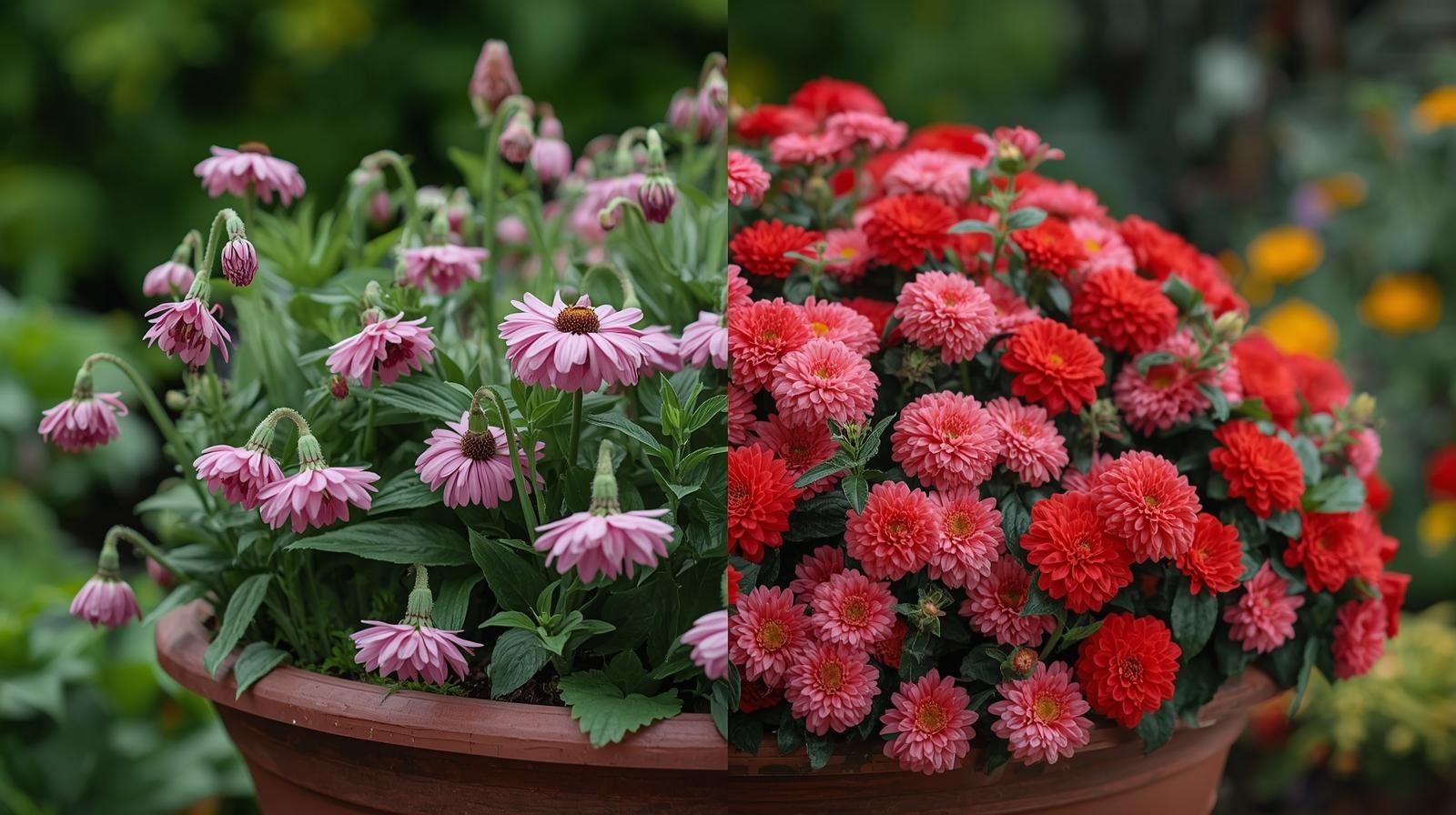
Many gardeners focus on choosing beautiful flowers without considering how plants interact with one another. However, not all flowers grow well together, even if they look attractive side by side. Some plants compete for nutrients, sunlight, or water, while others release chemicals that inhibit nearby growth. Horticulturists emphasize that poor plant combinations can lead to weak growth, fewer blooms, and increased disease. Understanding which flowers should not be planted together helps prevent unnecessary frustration. Proper plant pairing promotes healthier gardens and longer flowering periods. Compatibility is as important as soil and sunlight. Knowing what to avoid can dramatically improve garden success.
Understanding Allelopathy and Plant Competition
Some flowers release natural chemicals into the soil, a process known as allelopathy. These chemicals can suppress the growth of neighboring plants. Other flowers have aggressive root systems that compete for moisture and nutrients. Tall plants may block sunlight from shorter companions. These interactions often go unnoticed until plants struggle or fail. Gardeners who understand plant competition can plan smarter layouts. Avoiding incompatible pairings leads to stronger, more vibrant plants. This knowledge is essential for long-term garden health.
1. Roses and Black Walnut Trees
Roses are sensitive plants that require balanced soil conditions. Black walnut trees release juglone, a chemical toxic to many plants. Roses growing near black walnut trees often show yellowing leaves and stunted growth. Even fallen leaves and roots affect nearby soil. This combination leads to poor flowering and plant stress. Horticulturists strongly advise keeping roses far from walnut trees. Containers do not fully protect against juglone. Separation is the only effective solution.
Why Juglone Is Harmful to Flowering Plants
Juglone interferes with root respiration and nutrient absorption. Roses exposed to juglone struggle to take up water. Symptoms may appear gradually, confusing gardeners. Soil remains contaminated for years after tree removal. Sensitive flowers fail to thrive. This chemical defense benefits walnut trees but harms companions. Awareness prevents wasted effort. Proper spacing is essential.
2. Sunflowers and Potatoes
Sunflowers are admired for their height and bright blooms. However, they release allelopathic compounds into the soil. Potatoes planted nearby often show reduced yields. The chemicals suppress potato root development. Additionally, sunflowers attract pests harmful to potatoes. This pairing creates unnecessary crop stress. Horticulturists recommend keeping these plants separate. Choosing better companions improves productivity. Avoiding this combination benefits both plants.
Competition for Nutrients and Soil Health
Sunflowers are heavy feeders that absorb large amounts of nutrients. Potatoes also require nutrient-rich soil. Together, they compete aggressively. Soil becomes depleted quickly. Poor nutrient availability reduces flowering and tuber formation. Balanced planting prevents this issue. Separate beds work best. Soil health improves with proper planning.
3. Lilies and Ferns
Lilies prefer well-drained soil and full sunlight. Ferns thrive in shade and moist conditions. Planting them together creates conflicting care requirements. One plant inevitably suffers. Lilies may rot in damp soil. Ferns scorch in direct sun. Horticulturists advise grouping plants with similar needs. Mixed requirements complicate maintenance. Proper placement ensures healthy growth.
Environmental Preference Conflicts
Plants evolved to suit specific environments. Ignoring these needs leads to stress. Lilies require airflow and dryness. Ferns require humidity and shade. Watering routines clash. Soil conditions cannot satisfy both. Grouping by preference simplifies care. This improves plant longevity.
4. Tulips and Daffodils
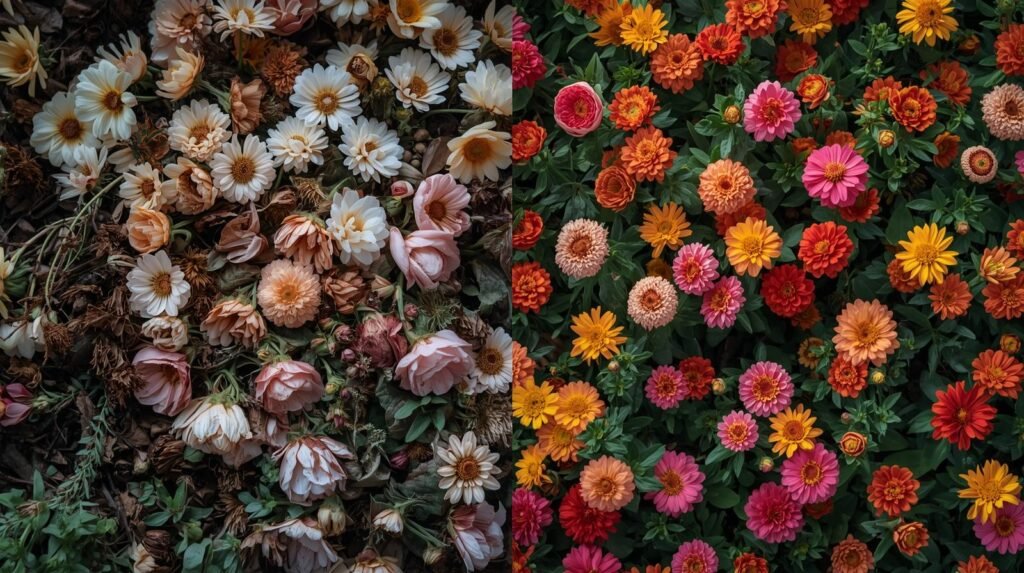
Tulips and daffodils are often planted together for spring color. However, daffodils release alkaloids into the soil. These compounds inhibit tulip growth. Tulips may produce weak stems or fewer blooms. Daffodils remain unaffected, creating imbalance. Horticulturists recommend spacing them apart. Separate groupings perform better. Visual harmony improves with thoughtful planning.
Chemical Interactions in Bulb Planting
Bulb plants share underground space closely. Chemical interactions occur below soil surface. Daffodil secretions affect sensitive bulbs. Tulips are particularly vulnerable. Planting bulbs separately avoids issues. Soil remains healthier. Flowering becomes more consistent.
5. Petunias and Geraniums
Petunias and geraniums are popular container plants. However, geraniums release substances that suppress petunia growth. Petunias may appear leggy or weak. Bloom production declines. This combination often disappoints gardeners. Horticulturists suggest alternative pairings. Mixing compatible annuals improves results. Containers thrive with balanced combinations.
Growth Suppression in Container Gardens
Containers amplify plant interactions due to limited soil. Chemical buildup affects neighbors quickly. Petunias respond poorly to stress. Geranium dominance reduces shared resources. Choosing harmonious plants prevents decline. Container gardens need careful planning. Compatibility ensures long-lasting displays.
6. Mint and Chamomile
Mint is a vigorous, spreading plant. Chamomile grows more delicately. Mint overtakes chamomile rapidly. Root competition overwhelms weaker plants. Chamomile struggles to establish itself. Horticulturists recommend planting mint separately. Containers help control mint spread. Separation preserves both plants.
Invasive Growth Patterns
Some plants spread aggressively through roots. Mint is notorious for invasiveness. Chamomile lacks defensive growth. Sharing space leads to imbalance. Garden beds become dominated. Controlled planting protects diversity. Awareness prevents takeover.
7. Sweet Peas and Alliums
Sweet peas thrive in nutrient-rich soil. Alliums like onions and garlic release sulfur compounds. These compounds suppress legume growth. Sweet peas planted nearby show poor climbing and flowering. Horticulturists discourage this pairing. Separate planting improves results. Each plant thrives independently.
Chemical Sensitivity of Legumes
Legumes rely on soil bacteria for nitrogen fixation. Sulfur compounds disrupt this process. Sweet peas suffer nutrient imbalance. Growth slows noticeably. Avoiding chemical conflict supports healthy vines. Proper spacing solves the issue. Planning ensures success.
Common Mistakes When Mixing Flowers
Gardeners often prioritize appearance over compatibility. Ignoring root behavior causes problems. Overcrowding intensifies competition. Misunderstanding plant needs leads to stress. Lack of research results in failure. Learning from horticulturists prevents mistakes. Thoughtful combinations enhance beauty. Knowledge saves time and effort.
Benefits of Correct Flower Pairing
Compatible planting increases bloom size. Plants resist disease better. Watering routines simplify. Soil health improves naturally. Gardens look fuller and healthier. Maintenance becomes easier. Results are more predictable. Smart pairing supports success.
Flower Compatibility Reference Table
Flower One
Incompatible Flower
Main Issue
Resulting Problem
Recommended Action
Roses
Black walnut
Chemical toxicity
Poor growth
Plant separately
Sunflowers
Potatoes
Allelopathy
Reduced yield
Use different beds
Lilies
Ferns
Different moisture needs
Root rot or scorch
Separate locations
Tulips
Daffodils
Soil chemicals
Weak blooms
Plant apart
Petunias
Geraniums
Growth suppression
Leggy plants
Avoid pairing
Mint
Chamomile
Aggressive roots
Overcrowding
Use containers
Sweet peas
Alliums
Sulfur compounds
Poor climbing
Separate rows
Final Thoughts on Flower Compatibility
Successful gardening requires more than sunlight and water. Understanding plant relationships prevents hidden problems. Avoiding incompatible flowers saves effort and disappointment. Horticulturists emphasize planning for long-term health. Compatibility supports stronger growth and better blooms. Small changes make big differences. Gardens thrive with informed decisions. Knowledge transforms results.