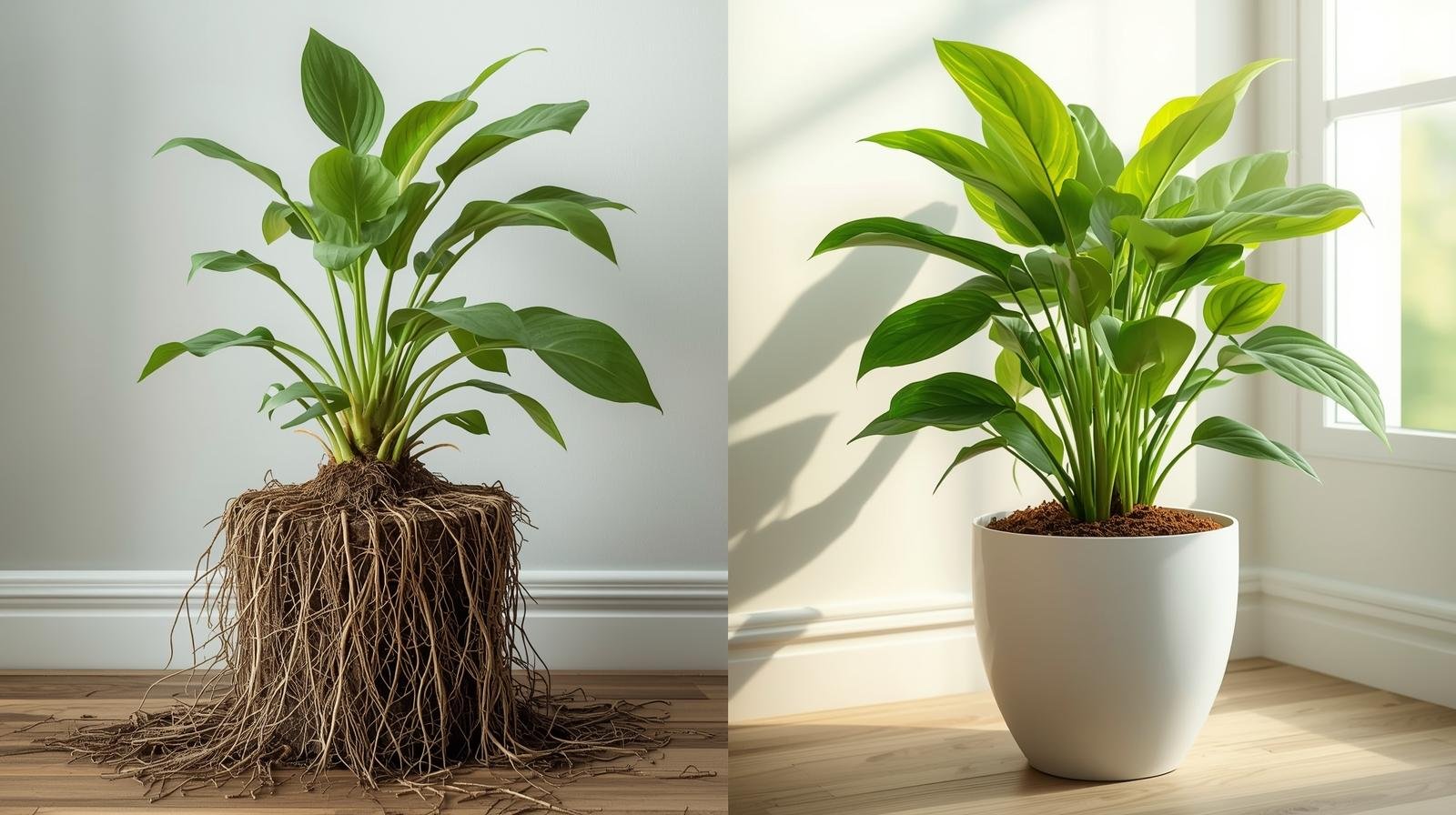
Introduction: Why Repotting Is Essential for Indoor Plant Health
Indoor plants rely completely on their containers. Over time pots restrict growth. Roots outgrow available space. Soil loses nutrients and structure. Repotting restores balance and health. Ignoring signs causes decline. Timely repotting promotes vigorous growth. Healthy roots mean healthy plants. Recognizing signs is crucial.
Understanding How Roots Grow in Containers
Roots expand searching for nutrients. Containers limit natural spread. Roots circle the pot eventually. Compaction reduces airflow. Water drains poorly. Nutrient uptake decreases. Growth slows noticeably. Root health determines plant health. Space matters greatly.
Why Indoor Plants Suffer Without Repotting
Old soil becomes compacted. Drainage holes clog easily. Salts build up over time. Roots suffocate without air. Plants become stressed. Leaves show visible symptoms. Growth stalls completely. Repotting resets conditions. Plants recover quickly.
Sign One: Roots Growing Out of Drainage Holes
Visible roots signal overcrowding. Roots escaping seek space. This is a clear warning sign. The pot is too small. Water drains poorly. Roots become stressed. Immediate repotting is required. Ignoring leads to damage.
Why Escaping Roots Are Dangerous
Exposed roots dry out quickly. Damage weakens the plant. Water absorption reduces. Nutrient flow becomes uneven. Growth suffers significantly. Long term health declines. Roots should stay protected. Repotting prevents exposure damage.
Sign Two: Water Drains Too Quickly or Too Slowly
Fast drainage indicates root bound soil. Slow drainage shows compaction. Both signal poor soil health. Roots struggle to absorb moisture. Overwatering becomes risky. Dry pockets form easily. Plant stress increases. Repotting restores balance.
How Drainage Issues Affect Plant Health
Poor drainage causes root rot. Excess moisture suffocates roots. Fast drainage deprives roots of water. Leaves wilt unpredictably. Growth becomes inconsistent. Soil structure breaks down. Roots cannot function properly. Fresh soil solves these issues.
Sign Three: Stunted Growth Despite Proper Care
Healthy plants grow steadily. Sudden stagnation indicates problems. Nutrients may be depleted. Roots lack space. Light and water adjustments fail. Leaves remain small. New growth stops. Repotting often resolves stagnation.
Why Growth Slows in Root Bound Plants
Crowded roots cannot expand. Nutrient absorption declines. Water distribution becomes uneven. Energy focuses on survival. Plant hormones change. Growth halts naturally. Repotting reactivates growth. Space restores vitality.
Sign Four: Yellowing Leaves Without Obvious Cause
Yellow leaves signal stress. Nutrient deficiency is common. Old soil cannot supply nutrients. Root damage affects uptake. Overwatering symptoms appear. Leaves drop prematurely. Repotting refreshes soil nutrients. Color returns gradually.
Understanding Nutrient Depletion in Pots
Soil nutrients get used up. Fertilizer cannot replace structure. Microbial activity declines. Salt buildup blocks absorption. Roots suffer chemical stress. Yellowing increases. Fresh soil restores balance. Repotting renews nutrition.
Sign Five: Plant Becomes Top Heavy or Unstable
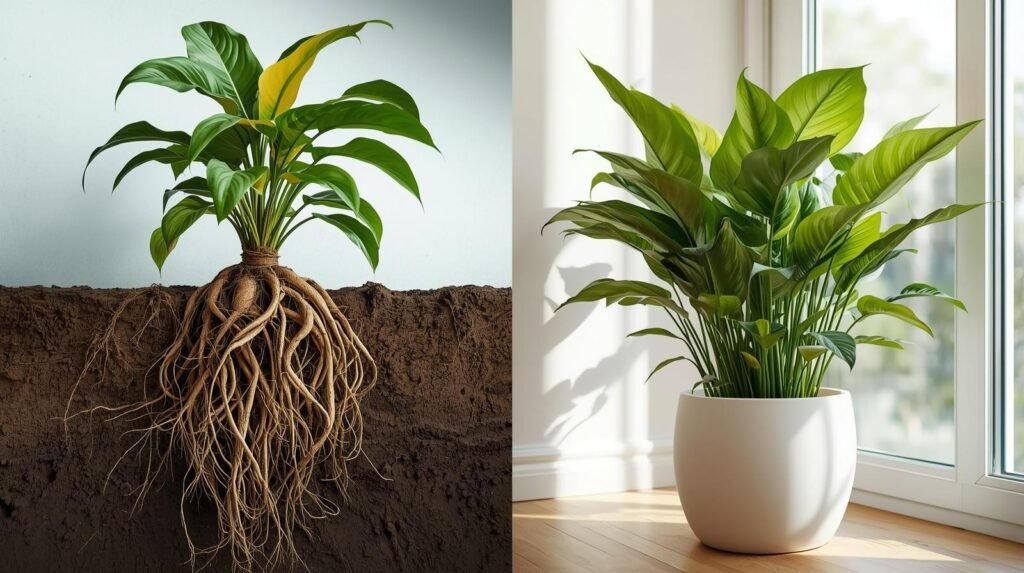
Plants tipping over indicate imbalance. Roots cannot anchor properly. Pot size limits stability. Stems grow faster than roots. Risk of breakage increases. Falling damages stems and roots. Repotting improves anchoring. Stability is restored.
Why Stability Matters for Indoor Plants
Unstable plants experience stress. Roots shift during watering. Damage occurs repeatedly. Growth patterns weaken. Leaves droop frequently. Structural strength declines. Larger pots provide balance. Stability supports healthy growth.
Sign Six: Soil Pulling Away from Pot Edges
Shrunken soil indicates dryness. Root mass dominates the pot. Water runs down sides unused. Roots receive little moisture. Hydration becomes difficult. Soil structure collapses. Repotting corrects absorption. Moisture distribution improves.
Best Time to Repot Indoor Plants
Spring is ideal for repotting. Growth resumes naturally. Roots recover faster. Avoid winter repotting if possible. Stress is minimized in warm months. Exceptions exist for emergencies. Timing affects recovery speed. Plan repotting wisely.
Choosing the Right Pot Size
Increase pot size gradually. Too large causes water retention. One size bigger works best. Drainage holes are essential. Material affects moisture control. Choose breathable pots if possible. Proper sizing supports roots. Balance is key.
Steps to Repot Indoor Plants Safely
Water plant before repotting. Remove gently from pot. Loosen roots carefully. Trim damaged roots if needed. Add fresh potting mix. Place at correct depth. Water thoroughly afterward. Proper steps prevent shock.
Aftercare Following Repotting
Place plant in indirect light. Avoid fertilizing immediately. Monitor moisture closely. Leaves may droop briefly. Recovery occurs within weeks. Gradual adjustment helps. Aftercare determines success. Patience is essential.
Common Repotting Mistakes to Avoid
Using garden soil indoors causes compaction. Oversized pots cause root rot. Rough handling damages roots. Repotting during dormancy stresses plants. Overwatering after repotting harms roots. Avoid these mistakes. Knowledge improves outcomes.
Long Term Benefits of Regular Repotting
Plants grow larger and healthier. Leaf color improves. Flowering increases. Root systems stay strong. Pest resistance improves. Indoor air quality improves. Plants live longer. Repotting is essential care.
Table: Clear Signs Indoor Plants Need Repotting
Warning Sign
Roots growing out of drainage holes
Warning Sign
Water draining too fast or too slow
Warning Sign
Stunted growth despite care
Warning Sign
Yellowing leaves without pests
Warning Sign
Plant tipping over easily
Warning Sign
Soil shrinking away from pot