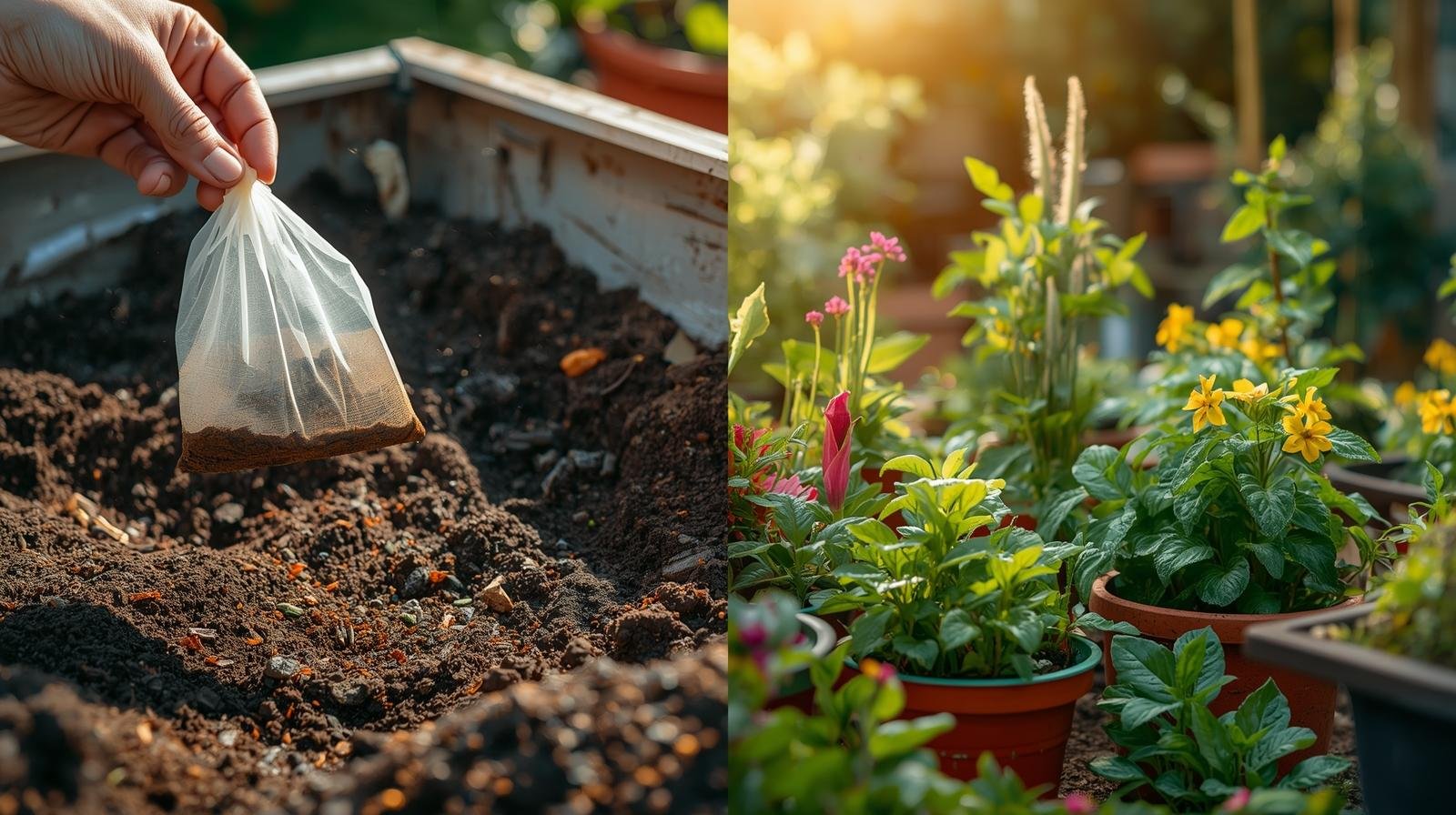
Introduction: The Value of Reusing Tea Bags in Gardening
Old tea bags are more than just kitchen waste; they can benefit your garden naturally. Tea leaves contain essential nutrients that improve soil health and plant growth. Reusing tea bags reduces waste and supports sustainable gardening. Many gardeners overlook the potential of tea bags. By repurposing them, you can enrich soil, repel pests, and stimulate composting. Using tea bags is simple and safe for all plants. They also add organic matter to improve soil texture. Sustainable gardening becomes easy when incorporating small everyday items like tea bags. This practice is eco-friendly and practical.
Understanding the Nutritional Benefits of Tea Leaves
Tea leaves are rich in nitrogen, potassium, and small amounts of phosphorus. These nutrients enhance plant growth, flowering, and overall health. They also improve soil acidity slightly, which benefits acid-loving plants. The tannins in tea leaves support microbial activity in soil. Increased microbial activity enhances nutrient uptake by plants. Tea leaves also retain moisture, reducing watering frequency. They act as a slow-release fertilizer. Understanding these benefits helps gardeners maximize reuse.
1. Composting Used Tea Bags
Adding old tea bags directly to compost piles provides a nitrogen boost. Tear the bags open to speed decomposition. The paper or cloth bag often breaks down naturally. Mix with vegetable scraps and leaves for balance. Avoid adding tea bags with synthetic materials. Proper composting creates nutrient-rich humus. Microbes thrive on tea leaves. Regular composting improves soil fertility sustainably.
How to Balance Tea Bags in Compost
Too many tea bags can make compost overly acidic. Balance with carbon-rich materials like shredded newspaper. Layering ensures even decomposition. Turn the pile regularly for aeration. Monitor moisture to prevent sogginess. Well-managed compost accelerates breakdown. Resulting compost is ideal for flowers and vegetables. Composting tea bags is effective and eco-friendly.
2. Direct Soil Enrichment
Used tea bags can be buried near plant roots. They gradually release nutrients into the soil. This method works well for potted plants. Chop bags for faster nutrient release. Tea leaves improve soil texture and moisture retention. They are particularly helpful for container gardening. Avoid direct contact with seedlings to prevent mold. Nutrient release is slow and safe. Soil enrichment reduces reliance on chemical fertilizers.
Best Practices for Direct Soil Application
Tear the bag before burying. Place at shallow depths near mature plants. Water lightly after adding tea bags. Rotate placement periodically. Monitor soil moisture to prevent mold. Using biodegradable bags prevents residue accumulation. Organic enrichment promotes healthy root systems. Consistent application yields better growth over time.
3. Mulching with Tea Leaves
Spread dried tea leaves over soil as mulch. Mulch retains moisture and suppresses weeds. It also gradually releases nutrients. Tea mulch is lightweight and easy to spread. Combine with other mulch materials for best effect. Avoid piling tea directly onto delicate roots. Tea leaf mulch is perfect for vegetable beds. Mulching enhances soil fertility. It is sustainable and practical.
Tips for Effective Tea Mulching
Dry tea leaves before spreading to prevent clumping. Use a thin layer initially. Combine with compost or straw for texture. Refresh mulch periodically. Avoid covering seedlings completely. Proper application improves soil aeration. Mulching with tea leaves promotes microbial activity. It creates a healthier garden ecosystem.
4. Pest-Repelling Tea Bags
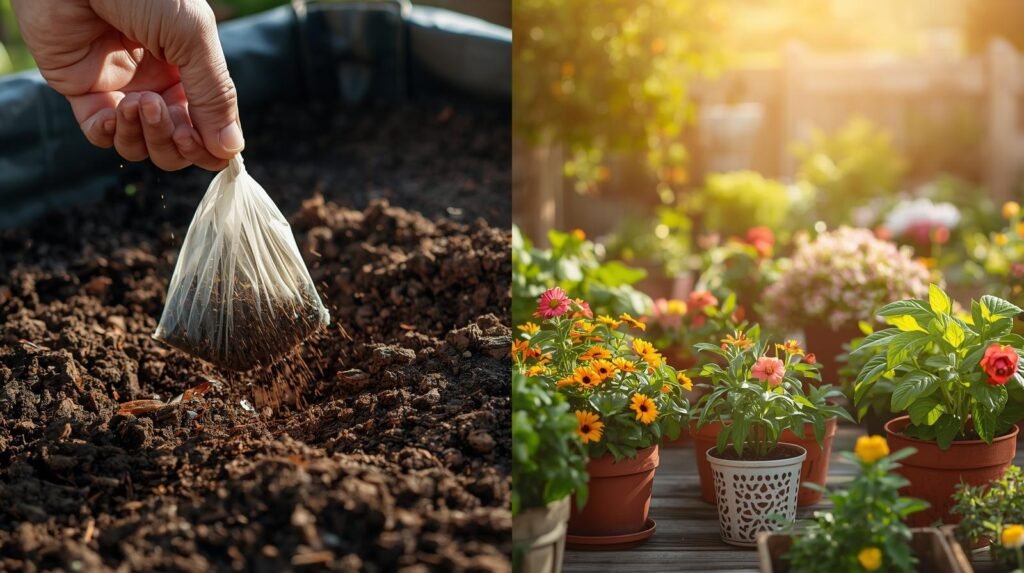
Tea leaves can repel certain pests naturally. Strongly brewed leaves deter ants, aphids, and snails. Scatter used tea leaves around plant bases. Repeat application after rainfall. Leaves create a mild chemical barrier without harming plants. This method is organic and safe. Tea bags reduce reliance on chemical pesticides. Pest management becomes eco-friendly. Observe plants for effectiveness.
Enhancing Pest Repellent Effects
Combine tea leaves with crushed herbs like mint or rosemary. Apply fresh tea leaves weekly. Keep leaves slightly moist for better aroma release. Use near susceptible plants. Monitor pest activity regularly. Adjust quantity based on garden size. Safe for children and pets. Repelling pests naturally supports garden balance.
5. Seed Starter Tea Bags
Used tea bags can serve as biodegradable seed starters. Carefully remove leaves, leaving a portion in the bag. Fill the bag with potting soil and plant seeds inside. Once seedlings are ready, plant directly into the ground. The bag decomposes naturally. This method reduces transplant shock. Seedlings thrive with nutrient-rich tea remnants. Tea bags make eco-friendly planters. This approach is sustainable and innovative.
Instructions for Seed Starter Use
Select bags without synthetic components. Ensure proper drainage. Water gently to avoid sogging. Monitor germination closely. Gradually introduce seedlings to sunlight. Plant in prepared soil when ready. Avoid overloading with seeds. Biodegradable seed starters simplify planting.
6. Liquid Fertilizer from Tea Bags
Steep used tea bags in water to make liquid fertilizer. Pour the nutrient-rich tea water directly onto plant soil. This provides a gentle nutrient boost. It is especially effective for houseplants and potted plants. Tea water is safe for all growth stages. Avoid pouring on leaves to prevent staining. Repeat weekly for best results. Liquid fertilizer promotes root development. Tea bags are versatile for garden use.
Best Practices for Tea Water Fertilizer
Use 2 to 3 tea bags per liter of water. Let tea cool completely before applying. Water soil evenly. Avoid overwatering. Combine with occasional composting for balance. Use freshly brewed tea water each time. Liquid fertilizer improves soil fertility gradually. It is a low-cost alternative to chemical fertilizers.
7. Worm Food Enrichment
Add used tea bags to worm bins to enrich worm castings. Worms feed on decomposed leaves easily. Tannins improve worm health and activity. Tea leaves create balanced moisture content. Worm castings become rich in nitrogen. Resulting vermicompost benefits all garden plants. This method is safe and sustainable. Worms thrive with added tea leaves. Castings support stronger plant growth.
Tips for Worm Bin Use
Avoid tea bags with staples or synthetic components. Chop leaves before adding. Mix with kitchen scraps and shredded paper. Maintain moderate moisture levels. Harvest castings regularly. Gradually feed worms tea leaves. Vermicompost becomes nutrient-rich quickly. Eco-friendly soil improvement is easy.
8. Orchid and Indoor Plant Boost
Tea leaves provide mild acidity for orchids and indoor plants. Mix small amounts into potting medium. Tea enriches microbial activity and nutrient uptake. Ideal for acid-loving houseplants. Avoid excessive quantities to prevent mold. Gradually integrate over time. Observing plant response ensures safety. Indoor plants benefit from sustainable organic nutrients. Tea leaves improve flowering.
Integration Tips for Indoor Plants
Add dried tea leaves sparingly. Mix thoroughly into soil. Water lightly after adding. Avoid leaves on surface to prevent pests. Rotate use among plants. Monitor soil pH and moisture. Indoor plant health improves naturally. Tea leaf supplements enhance growth subtly.
9. Flower Bed Edge Protection
Scatter used tea bags along flower bed edges. The tea acts as a mild deterrent for small pests. It also enriches soil along edges. Helps prevent weeds from encroaching. Combined with compost, edges become nutrient-rich. Tea leaves slowly decompose. Edge protection supports plant health. Safe and aesthetically pleasing. Regular replenishment enhances effect.
Edge Placement Advice
Tear bags lightly before scattering. Spread evenly along the border. Refresh weekly during growing season. Avoid dense piles to prevent mold. Water lightly after application. Combine with decorative mulch for beauty. Nutrient enrichment occurs gradually. Sustainable garden edges are achievable.
10. Tea Bag Extracts for Foliar Spray
Blend used tea leaves with water to create a mild foliar spray. Apply to plant leaves to boost nutrients. It improves leaf health and color. Avoid strong concentrations to prevent leaf burn. Spray during morning or evening. Foliar feeding complements soil fertilization. Tea leaves provide trace minerals. Plants absorb nutrients directly. Sustainable foliar feeding is simple.
Spray Application Tips
Use fine mist spray for even coverage. Avoid oversaturation. Apply once per week. Observe plant response. Adjust concentration gradually. Combine with other organic fertilizers. Tea sprays promote greener, healthier leaves. Eco-friendly and effective.
Tea Bag Reuse Reference Table
Use Case
Application Method
Plant Type
Frequency
Benefits
Composting
Tear bag, mix in compost
All plants
Ongoing
Nitrogen boost
Direct Soil Enrichment
Bury near roots
Potted or garden
Monthly
Slow nutrient release
Mulching
Spread dried leaves
Flower beds
Seasonal
Moisture retention, weed suppression
Pest Repellent
Scatter leaves around base
Vegetables, flowers
Weekly
Deters ants, aphids
Liquid Fertilizer
Steep in water, pour
Indoor and outdoor
Weekly
Gentle nutrient boost
Final Thoughts on Reusing Tea Bags
Reusing tea bags is simple, sustainable, and beneficial for plants. It reduces waste and improves soil health. Nutrients support plant growth naturally. Multiple methods make tea bags versatile. Gardeners save money and time. Organic gardening becomes easier. Observing results ensures success. Tea bags prove small actions make big differences.